When your schedule feels like a sprint, a slow living lifestyle guide can turn the chaos into a paced, purposeful routine. Below is a compact roadmap that lets a busy, practical reader replace hustle with intentional habits, one actionable step at a time.
Start with Mindful Micro‑Moments
Instead of trying to overhaul your day, earmark three five‑minute windows for simple mindfulness: a breathing pause before email, a sip‑of‑tea ritual, and a quick stretch while waiting for the kettle. These micro‑moments accumulate, creating a mental buffer that steadies your focus without demanding extra time.
Reframe Your Workspace with Nature Cues

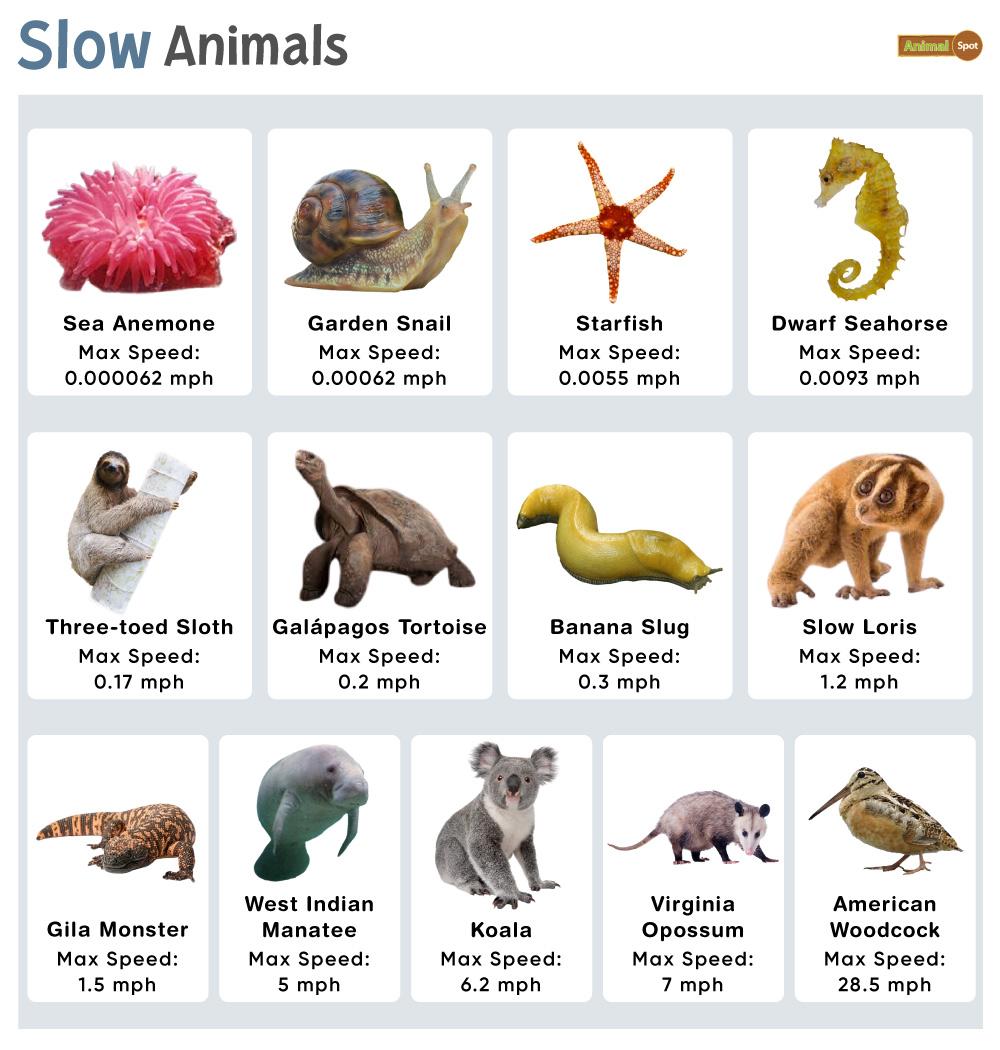
The gentle poise of a slow loris reminds us that calm productivity is possible even amid digital distractions. Add a small plant, a photo of a serene animal, or a tactile stone to your desk. Each visual cue triggers a pause, encouraging you to work deliberately rather than reactively.
Adopt “Slow‑Down” Visual Reminders
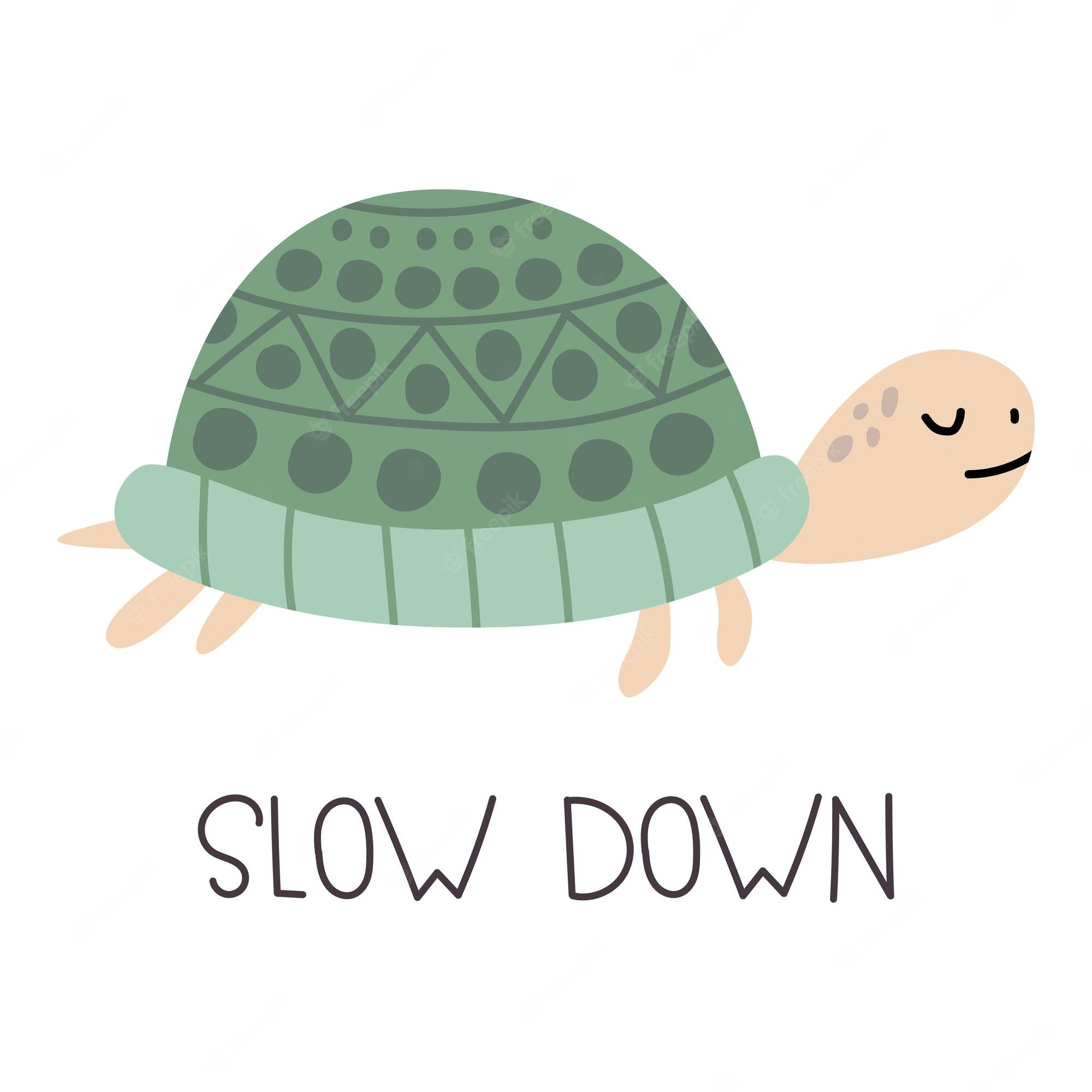
Place a tiny “slow‑down” sticker—like the friendly turtle—on the inside of your laptop lid or your water bottle. When you see it, ask: “Am I moving at the right speed for this task?” This cheap visual prompt nudges you to choose quality over quantity, a core tenet of slow living.
Structure Your Day Around Energy Peaks
Track when you feel most alert—often mid‑morning or early evening. Schedule demanding tasks (writing, coding, problem‑solving) during these peaks, and reserve low‑energy periods for routine chores (sorting mail, filing). Aligning work with natural rhythms reduces friction and makes each activity feel less forced.
Implement a “One‑In‑One‑Out” Physical Clutter Rule
Each time you bring a new item into your home, remove one you no longer need. This habit prevents accumulation, keeps spaces airy, and mirrors the slow living principle of conscious consumption. It also creates a quick decision point that limits mindless buying.
End the Day with a Gentle Digital Sunset
Set a nightly alarm for thirty minutes before bedtime. During this window, dim the lights, switch devices to night mode, and swap screen time for analog comforts—reading a short story, journaling, or listening to a calming playlist. A deliberate digital wind‑down signals your brain that it’s time to rest, improving sleep quality and reinforcing the day‑ending rhythm of slow living.
When your schedule feels like a sprint, a slow living lifestyle guide can turn the chaos into a paced, purposeful routine. Below is a compact roadmap that lets a busy, practical reader replace hustle with intentional habits, one actionable step at a time.
Start with Mindful Micro‑Moments
Instead of trying to overhaul your day, earmark three five‑minute windows for simple mindfulness: a breathing pause before email, a sip‑of‑tea ritual, and a quick stretch while waiting for the kettle. These micro‑moments accumulate, creating a mental buffer that steadies your focus without demanding extra time.
Reframe Your Workspace with Nature Cues
The gentle poise of a slow loris reminds us that calm productivity is possible even amid digital distractions. Add a small plant, a photo of a serene animal, or a tactile stone to your desk. Each visual cue triggers a pause, encouraging you to work deliberately rather than reactively.
Adopt “Slow‑Down” Visual Reminders
Place a tiny “slow‑down” sticker—like the friendly turtle—on the inside of your laptop lid or your water bottle. When you see it, ask: “Am I moving at the right speed for this task?” This cheap visual prompt nudges you to choose quality over quantity, a core tenet of slow living.
Structure Your Day Around Energy Peaks
Track when you feel most alert—often mid‑morning or early evening. Schedule demanding tasks (writing, coding, problem‑solving) during these peaks, and reserve low‑energy periods for routine chores (sorting mail, filing). Aligning work with natural rhythms reduces friction and makes each activity feel less forced.
Implement a “One‑In‑One‑Out” Physical Clutter Rule
Each time you bring a new item into your home, remove one you no longer need. This habit prevents accumulation, keeps spaces airy, and mirrors the slow living principle of conscious consumption. It also creates a quick decision point that limits mindless buying.
End the Day with a Gentle Digital Sunset
Set a nightly alarm for thirty minutes before bedtime. During this window, dim the lights, switch devices to night mode, and swap screen time for analog comforts—reading a short story, journaling, or listening to a calming playlist. A deliberate digital wind‑down signals your brain that it’s time to rest, improving sleep quality and reinforcing the day‑ending rhythm of slow living.
Printable List Of Animals - Printable Free Templates
Printable List Of Animals - Printable Free Templates
Slow Road Curves Ahead Caution Sign 11449401 Vector Art At Vecteezy

Slow Road Curves Ahead Caution Sign 11449401 Vector Art at Vecteezy
Slow Icon

Slow Icon