Slow living lifestyle adalah a mindful approach that values intentional pacing over hustle, encouraging healthier routines, deeper connections, and sustainable habits. By comparing everyday habits with their “fast‑track” counterparts, we can see how small adjustments create a slower, more rewarding life.
How Does Slow Living Differ From a Fast‑Paced Routine?
In a fast‑track schedule, tasks are stacked, notifications are constant, and breaks are brief. Slow living replaces that with deliberate pauses, prioritizing quality over quantity. For example, instead of checking email every five minutes, you might allocate two focused windows each day, allowing uninterrupted work and genuine rest.
What Visual Cues Can Remind Us to Slow Down?
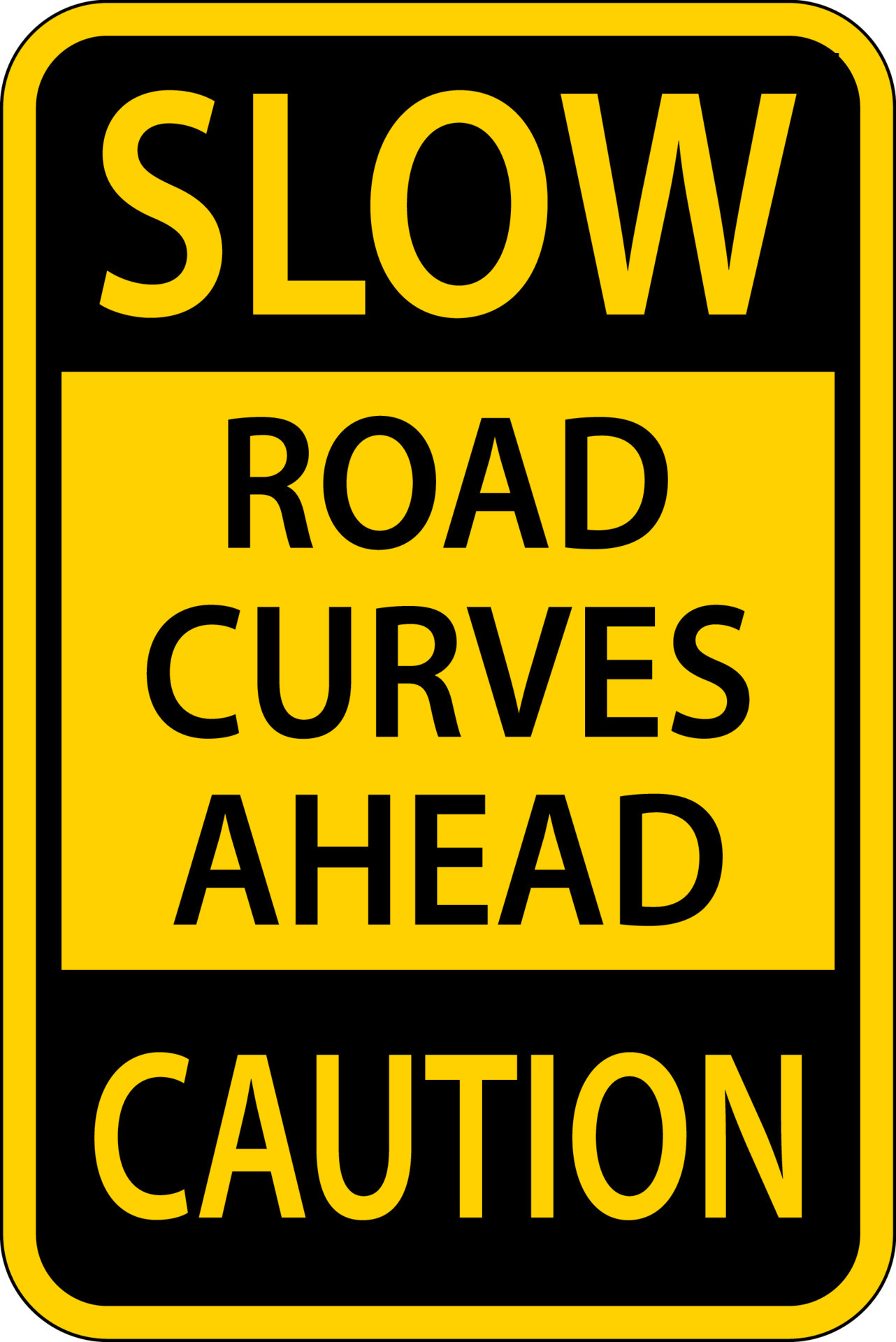
The classic “slow road curves ahead” sign is a literal reminder that speed isn’t always the goal. Placing similar visual cues—like a small sign on a desk or a phone wallpaper—helps trigger a momentary pause, reinforcing the principle of measured movement in daily tasks.
Which Everyday Activities Best Illustrate Slow Living?
Cooking a meal from scratch versus microwaving a ready‑made dish highlights the contrast. The former involves selecting fresh ingredients, savoring aromas, and engaging senses, while the latter merely satisfies immediate hunger. Choosing the slower method promotes mindfulness, better nutrition, and a sense of accomplishment.
Can Simple Symbols Inspire a Slower Pace?
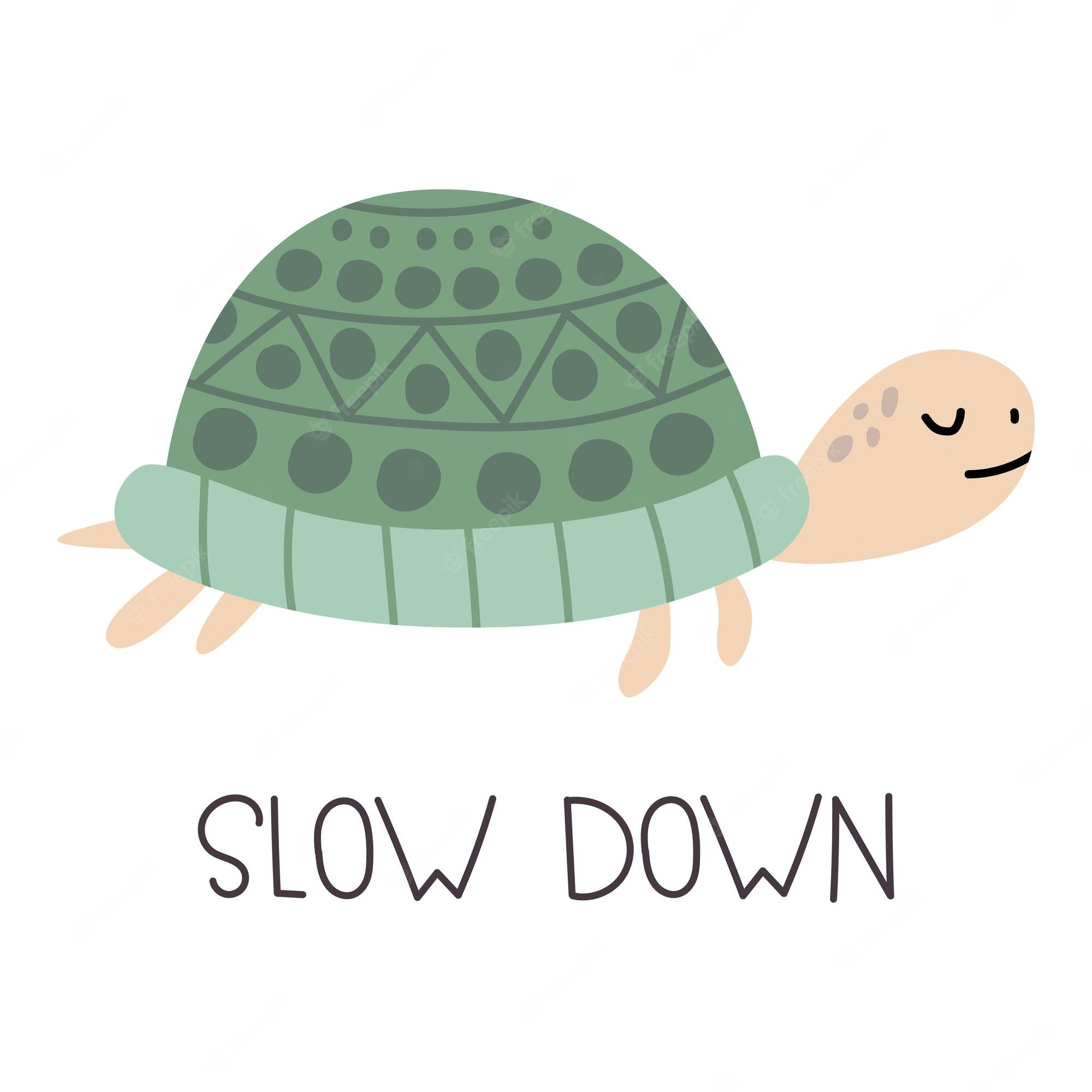
The turtle, long a symbol of patience, serves as a playful reminder that progress doesn’t need to be rapid. Incorporating such icons into planners or as phone reminders can subtly nudge you toward more reflective actions, from mindful walking to extended reading sessions.
How to Implement Slow Living in a Busy Schedule?
- Set a “pause” alarm. Choose a daily 5‑minute cue to breathe, stretch, or observe surroundings.
- Batch similar tasks. Grouping activities reduces transition loss, freeing mental space for slower, focused work.
- Curate digital environments. Turn off nonessential notifications and use “do not disturb” periods to protect quiet time.
- Adopt a “one‑minute rule.” If a task can be completed in a minute, do it immediately; otherwise, schedule it, preventing constant micro‑interruptions.
What Are the Tangible Benefits of Embracing Slow Living?
Research links slower rhythms with lower cortisol levels, improved sleep quality, and heightened creativity. Practically, individuals report fewer missed appointments, deeper relationships, and a greater sense of control over their day—outcomes that align with the core premise of slow living lifestyle adalah.
Slow living lifestyle adalah a mindful approach that values intentional pacing over hustle, encouraging healthier routines, deeper connections, and sustainable habits. By comparing everyday habits with their “fast‑track” counterparts, we can see how small adjustments create a slower, more rewarding life.
How Does Slow Living Differ From a Fast‑Paced Routine?
In a fast‑track schedule, tasks are stacked, notifications are constant, and breaks are brief. Slow living replaces that with deliberate pauses, prioritizing quality over quantity. For example, instead of checking email every five minutes, you might allocate two focused windows each day, allowing uninterrupted work and genuine rest.
What Visual Cues Can Remind Us to Slow Down?
The classic “slow road curves ahead” sign is a literal reminder that speed isn’t always the goal. Placing similar visual cues—like a small sign on a desk or a phone wallpaper—helps trigger a momentary pause, reinforcing the principle of measured movement in daily tasks.
Which Everyday Activities Best Illustrate Slow Living?
Cooking a meal from scratch versus microwaving a ready‑made dish highlights the contrast. The former involves selecting fresh ingredients, savoring aromas, and engaging senses, while the latter merely satisfies immediate hunger. Choosing the slower method promotes mindfulness, better nutrition, and a sense of accomplishment.
Can Simple Symbols Inspire a Slower Pace?
The turtle, long a symbol of patience, serves as a playful reminder that progress doesn’t need to be rapid. Incorporating such icons into planners or as phone reminders can subtly nudge you toward more reflective actions, from mindful walking to extended reading sessions.
How to Implement Slow Living in a Busy Schedule?
- Set a “pause” alarm. Choose a daily 5‑minute cue to breathe, stretch, or observe surroundings.
- Batch similar tasks. Grouping activities reduces transition loss, freeing mental space for slower, focused work.
- Curate digital environments. Turn off nonessential notifications and use “do not disturb” periods to protect quiet time.
- Adopt a “one‑minute rule.” If a task can be completed in a minute, do it immediately; otherwise, schedule it, preventing constant micro‑interruptions.
What Are the Tangible Benefits of Embracing Slow Living?
Research links slower rhythms with lower cortisol levels, improved sleep quality, and heightened creativity. Practically, individuals report fewer missed appointments, deeper relationships, and a greater sense of control over their day—outcomes that align with the core premise of slow living lifestyle adalah.
Slow Icon

Slow Icon
Venom Of A Slow Loris – 25 Awesome Slow Loris Fun Facts – JYZXLK

Venom Of A Slow Loris – 25 Awesome Slow Loris Fun Facts – JYZXLK
Printable List Of Animals - Printable Free Templates
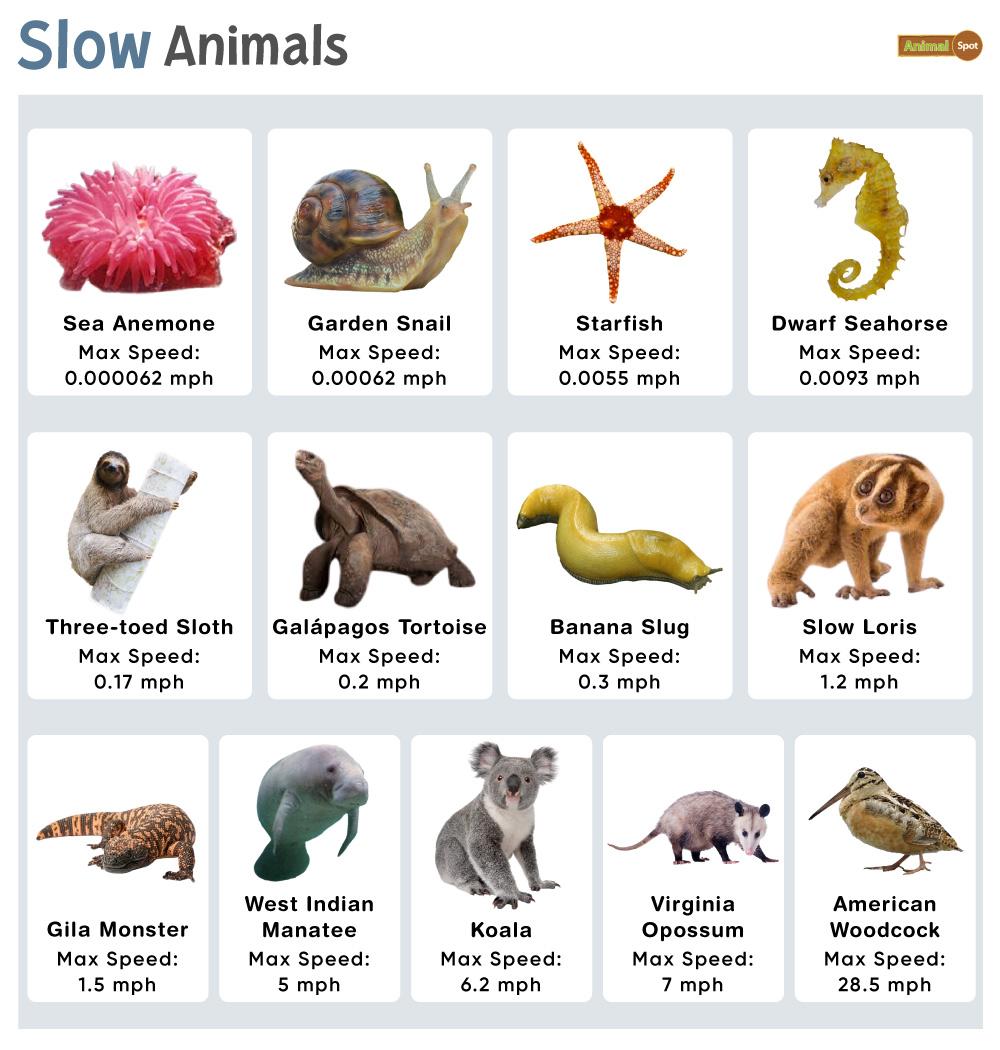
Printable List Of Animals - Printable Free Templates