In societies that celebrate constant productivity, the question wat is slow living surfaces as a counter‑cultural invitation to reclaim time, focus, and wellbeing. Rather than a fleeting trend, it represents a sustainable shift toward intentional pacing that can reduce burnout and increase satisfaction. This article unpacks the concept, identifies the most common mistakes, and offers concrete ways to embed slower rhythms into everyday routines.
Where the Philosophy Takes Root

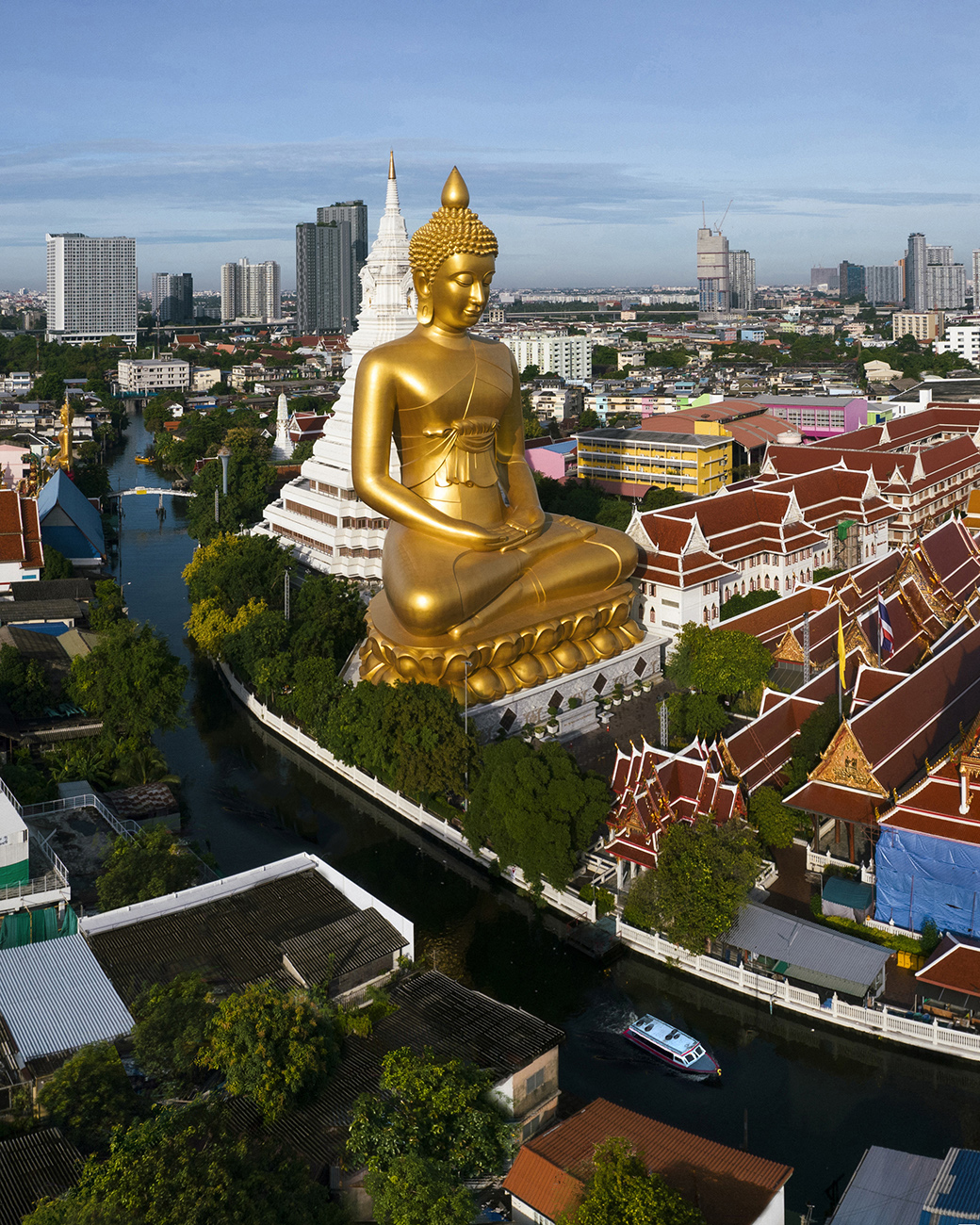
The ancient temples of Bangkok, such as Wat Arun, rise with deliberate grandeur, inviting observers to linger and absorb details that rush‑by eyes often miss. Their architecture reminds us that beauty thrives when attention is given to rhythm rather than speed, echoing the essence of wat is slow living: a conscious choice to let moments settle, to savor texture, and to honor the natural cadence of life.
Historically, many Eastern traditions have embraced measured tempos in meditation, tea ceremony, and communal gatherings, recognizing that prolonged haste erodes mental clarity. Modern urban environments, however, have amplified the pressure to multitask and consume, making the slow living mindset a deliberate act of cultural reclamation.
Common Mistakes That Undermine the Journey
Novices frequently misread slow living as a checklist of restrictive rules, impose unrealistic daily quotas, and ignore personal energy cycles. When these expectations collapse, the mind reverts to frantic patterns, defeating the original purpose of cultivating calm. Another pitfall is treating the practice as a reaction to stress rather than a proactive lifestyle choice, which leads to short‑term bursts followed by relapse into old habits.
Recognizing these traps early helps prevent disillusionment and keeps the focus on gradual, sustainable change rather than abrupt transformation.
Practical Adjustments to Keep Progress Steady
Instead of overhauling every habit at once, implement these focused tweaks that preserve momentum while honoring a gentler tempo:
- Batch cooking: Allocate a few hours on the weekend to prepare meals for several days, cutting down daily decisions about what to eat.
- Scheduled pauses: Insert a five‑minute timer after each major task to stretch, breathe, and mentally reset.
- Evening wind‑down: Replace late‑night scrolling with a short reading passage or journal entry, signaling the brain that work has ended.
- Single‑task focus: Complete one activity before moving to the next, which reduces cognitive overload and curbs the urge to multitask.
These strategies are low‑effort to adopt yet powerful enough to reshape how you experience time, making the slower rhythm feel natural rather than forced.
Everyday Practices That Cement a Gentle Pace
Long‑term sustainability emerges from tiny, repeatable actions that accumulate into meaningful transformation. Choose a single cup of tea instead of multiple coffees, walk a short distance for nearby errands, and schedule regular digital detoxes to protect mental clarity. Incorporate brief moments of gratitude, such as noting three things you appreciate each morning, to reinforce a mindset that values depth over speed. Each of these habits reinforces the inquiry wat is slow living by turning abstract philosophy into tangible routine, ultimately delivering reduced stress, sharper focus, and a more balanced sense of achievement.
In societies that celebrate constant productivity, the question wat is slow living surfaces as a counter‑cultural invitation to reclaim time, focus, and wellbeing. Rather than a fleeting trend, it represents a sustainable shift toward intentional pacing that can reduce burnout and increase satisfaction. This article unpacks the concept, identifies the most common mistakes, and offers concrete ways to embed slower rhythms into everyday routines.
Where the Philosophy Takes Root
The ancient temples of Bangkok, such as Wat Arun, rise with deliberate grandeur, inviting observers to linger and absorb details that rush‑by eyes often miss. Their architecture reminds us that beauty thrives when attention is given to rhythm rather than speed, echoing the essence of wat is slow living: a conscious choice to let moments settle, to savor texture, and to honor the natural cadence of life.
Historically, many Eastern traditions have embraced measured tempos in meditation, tea ceremony, and communal gatherings, recognizing that prolonged haste erodes mental clarity. Modern urban environments, however, have amplified the pressure to multitask and consume, making the slow living mindset a deliberate act of cultural reclamation.
Common Mistakes That Undermine the Journey
Novices frequently misread slow living as a checklist of restrictive rules, impose unrealistic daily quotas, and ignore personal energy cycles. When these expectations collapse, the mind reverts to frantic patterns, defeating the original purpose of cultivating calm. Another pitfall is treating the practice as a reaction to stress rather than a proactive lifestyle choice, which leads to short‑term bursts followed by relapse into old habits.
Recognizing these traps early helps prevent disillusionment and keeps the focus on gradual, sustainable change rather than abrupt transformation.
Practical Adjustments to Keep Progress Steady
Instead of overhauling every habit at once, implement these focused tweaks that preserve momentum while honoring a gentler tempo:
- Batch cooking: Allocate a few hours on the weekend to prepare meals for several days, cutting down daily decisions about what to eat.
- Scheduled pauses: Insert a five‑minute timer after each major task to stretch, breathe, and mentally reset.
- Evening wind‑down: Replace late‑night scrolling with a short reading passage or journal entry, signaling the brain that work has ended.
- Single‑task focus: Complete one activity before moving to the next, which reduces cognitive overload and curbs the urge to multitask.
These strategies are low‑effort to adopt yet powerful enough to reshape how you experience time, making the slower rhythm feel natural rather than forced.
Everyday Practices That Cement a Gentle Pace
Long‑term sustainability emerges from tiny, repeatable actions that accumulate into meaningful transformation. Choose a single cup of tea instead of multiple coffees, walk a short distance for nearby errands, and schedule regular digital detoxes to protect mental clarity. Incorporate brief moments of gratitude, such as noting three things you appreciate each morning, to reinforce a mindset that values depth over speed. Each of these habits reinforces the inquiry wat is slow living by turning abstract philosophy into tangible routine, ultimately delivering reduced stress, sharper focus, and a more balanced sense of achievement.
Rundreisen.de - Thailand - Wat Arun

Rundreisen.de - Thailand - Wat Arun
Bangkok Wat Pho: Keajaiban Sejarah Dan Budaya Di Jantung!

Bangkok Wat Pho: Keajaiban Sejarah dan Budaya di Jantung!
How Old Is Angkor Wat In Cambodia | Detroit Chinatown
:max_bytes(150000):strip_icc()/sunset-at-angkor-wat--siem-reap--cambodia-640432454-5c327edf46e0fb00016ccb6c.jpg)
How Old Is Angkor Wat In Cambodia | Detroit Chinatown