You know the feeling—you're deep into a new project or hobby, fueled by that initial excitement, until suddenly you aren't. You're just running. Learning how to slow down life isn't about abandoning your passions or settling for less; it's about sustaining them so you don't burn out before the finish line. For the experienced hobbyist, speed often feels like a metric of success, but true mastery usually happens at a much more deliberate pace.
Recognizing When Your Pace Is Unsustainable
We often mistake velocity for productivity, especially when surrounded by unfinished projects. For the dedicated hobbyist, rushing through a build, a garden, or a painting leads to avoidable mistakes and a hollow sense of satisfaction. The primary benefit of slowing down is a dramatic increase in the quality of your output and your enjoyment of the process. However, you must be cautious: the temptation to "power through" can be addictive. If you find yourself skipping the preparation steps or ignoring minor details just to get to the result, you have already shifted your focus from the craft to the completion.
Navigating the Curves: Choosing the Right Time to Pause
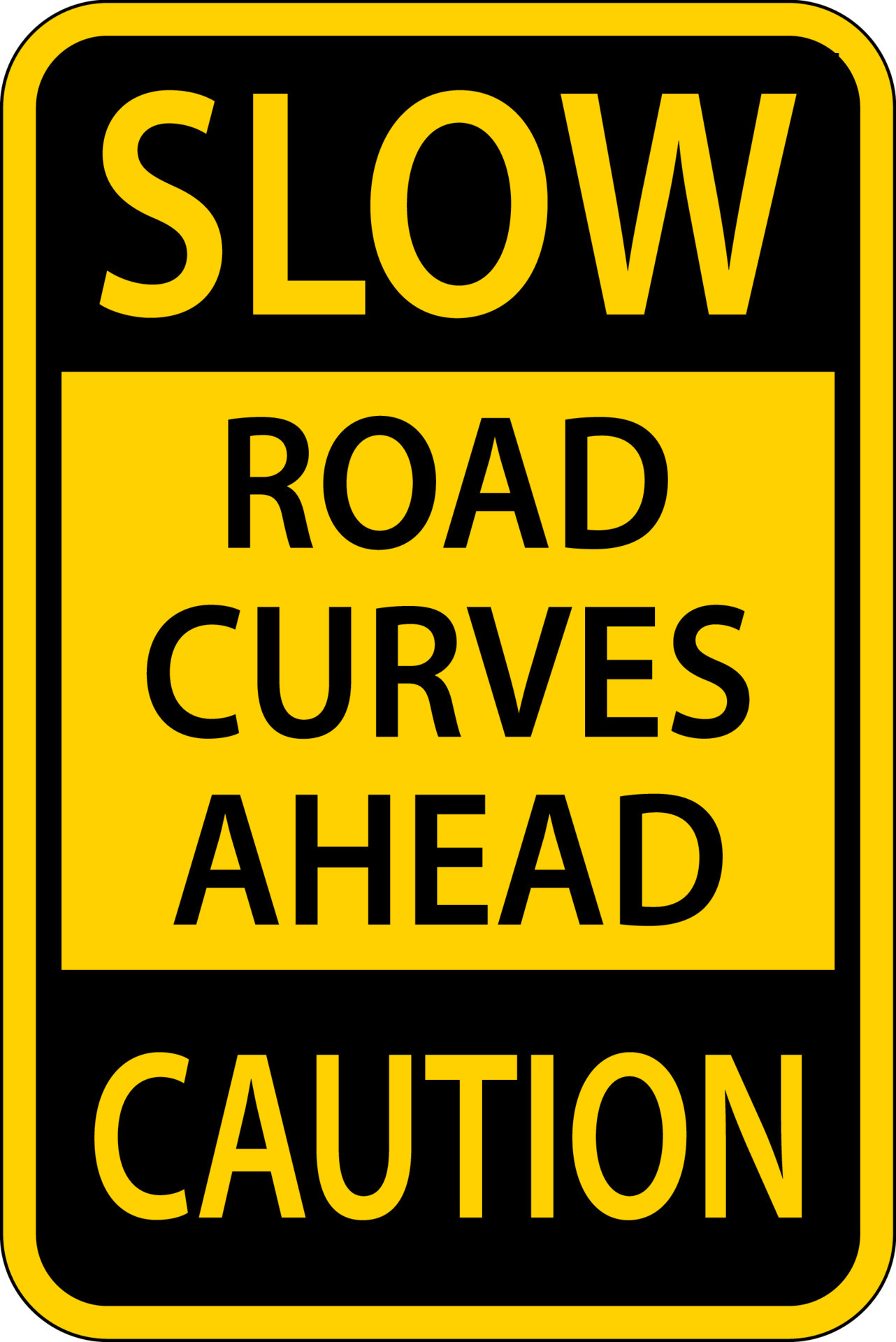
Just like a warning sign on a winding highway, you have to see the curve in your schedule before you actually hit it. You cannot brake effectively in the middle of a turn; you have to slow down beforehand. When you notice your free time shrinking or your joy in the hobby waning, that is your yellow light. The selection criteria for a break should be based on mental clarity rather than physical fatigue. Stepping away before you crash gives you the perspective needed to solve complex problems without the frustration.
Selecting Activities That Force a Slower Cadence
If you are struggling to decelerate, you must choose projects that demand patience by design. Consider these selection criteria when planning your next quarter of activities:
- Opt for raw materials: Instead of using pre-made kits or mixed paints, start from scratch. This forces you to spend time on preparation and mixing, which naturally extends the timeline.
- Choose difficult techniques: Pick a method that cannot be rushed, such as hand-finishing wood or sourdough fermentation, rather than power tools or instant yeast.
- Limit tools: Intentionally restrict yourself to hand tools or manual processes to add a physical rhythm to your work that machinery simply lacks.
The benefit here is a deeper, more tactile connection to your work. The caution is not to make every task a grind; mix these slow-burn activities with smaller, quicker wins to maintain your morale.
The Art of Deliberate Idleness
Slowing down isn't just about working slower; it is about stopping entirely. Doing nothing is a valid use of time for a creative mind. Sit with a cup of coffee without your phone, or simply stare at the materials you are planning to use without manipulating them. This resets your brain's dopamine baseline and allows ideas to marinate. Be cautious not to mistake this idleness for laziness. For the experienced creator, this "downtime" is actually incubation. When you stop rushing, the details you missed before suddenly become the best part of the process.
You know the feeling—you're deep into a new project or hobby, fueled by that initial excitement, until suddenly you aren't. You're just running. Learning how to slow down life isn't about abandoning your passions or settling for less; it's about sustaining them so you don't burn out before the finish line. For the experienced hobbyist, speed often feels like a metric of success, but true mastery usually happens at a much more deliberate pace.
Recognizing When Your Pace Is Unsustainable
We often mistake velocity for productivity, especially when surrounded by unfinished projects. For the dedicated hobbyist, rushing through a build, a garden, or a painting leads to avoidable mistakes and a hollow sense of satisfaction. The primary benefit of slowing down is a dramatic increase in the quality of your output and your enjoyment of the process. However, you must be cautious: the temptation to "power through" can be addictive. If you find yourself skipping the preparation steps or ignoring minor details just to get to the result, you have already shifted your focus from the craft to the completion.
Navigating the Curves: Choosing the Right Time to Pause
Just like a warning sign on a winding highway, you have to see the curve in your schedule before you actually hit it. You cannot brake effectively in the middle of a turn; you have to slow down beforehand. When you notice your free time shrinking or your joy in the hobby waning, that is your yellow light. The selection criteria for a break should be based on mental clarity rather than physical fatigue. Stepping away before you crash gives you the perspective needed to solve complex problems without the frustration.
Selecting Activities That Force a Slower Cadence
If you are struggling to decelerate, you must choose projects that demand patience by design. Consider these selection criteria when planning your next quarter of activities:
- Opt for raw materials: Instead of using pre-made kits or mixed paints, start from scratch. This forces you to spend time on preparation and mixing, which naturally extends the timeline.
- Choose difficult techniques: Pick a method that cannot be rushed, such as hand-finishing wood or sourdough fermentation, rather than power tools or instant yeast.
- Limit tools: Intentionally restrict yourself to hand tools or manual processes to add a physical rhythm to your work that machinery simply lacks.
The benefit here is a deeper, more tactile connection to your work. The caution is not to make every task a grind; mix these slow-burn activities with smaller, quicker wins to maintain your morale.
The Art of Deliberate Idleness
Slowing down isn't just about working slower; it is about stopping entirely. Doing nothing is a valid use of time for a creative mind. Sit with a cup of coffee without your phone, or simply stare at the materials you are planning to use without manipulating them. This resets your brain's dopamine baseline and allows ideas to marinate. Be cautious not to mistake this idleness for laziness. For the experienced creator, this "downtime" is actually incubation. When you stop rushing, the details you missed before suddenly become the best part of the process.
Printable List Of Animals - Printable Free Templates
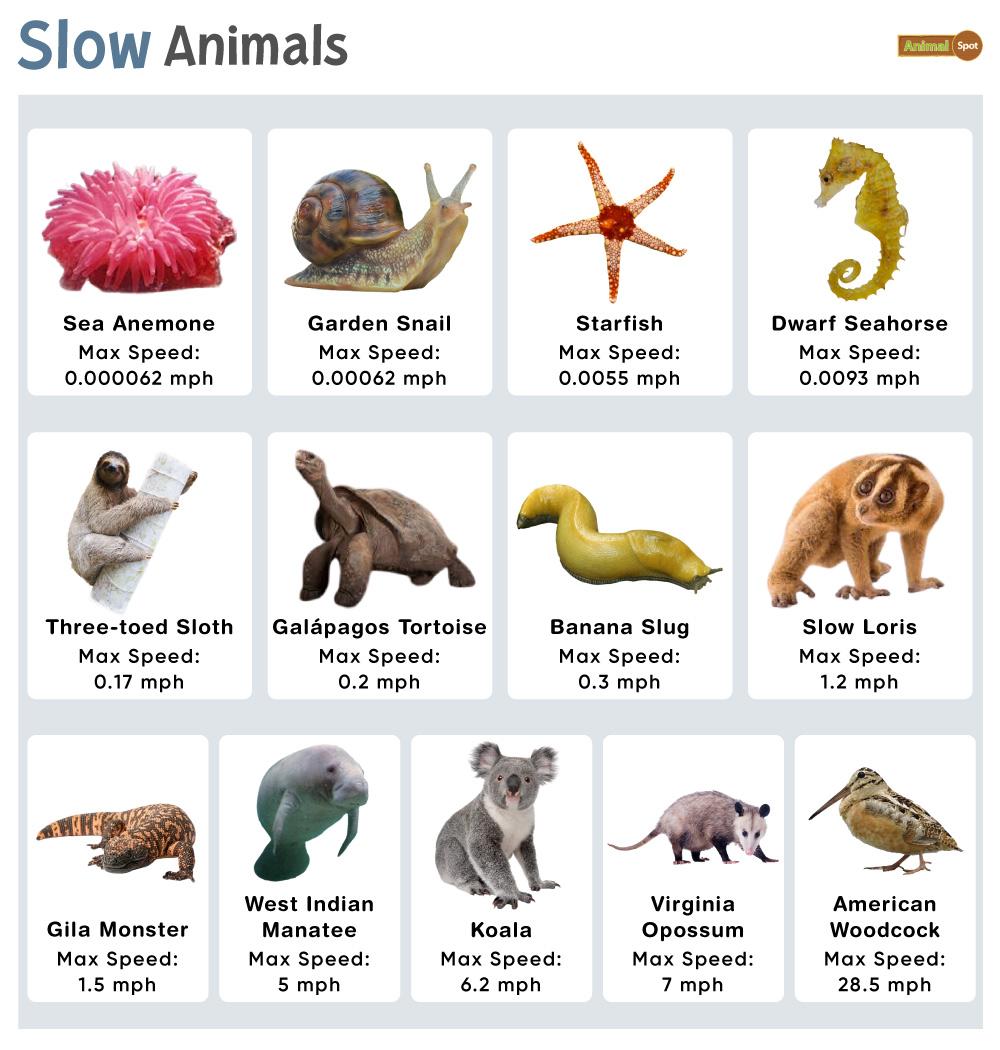
Printable List Of Animals - Printable Free Templates
Venom Of A Slow Loris – 25 Awesome Slow Loris Fun Facts – JYZXLK

Venom Of A Slow Loris – 25 Awesome Slow Loris Fun Facts – JYZXLK
Slows #3804036 | Clipart Library
slows #3804036 | Clipart Library