Do you feel like you are constantly running on a treadmill that never stops? Many of us equate speed with efficiency, believing that doing everything faster is the only way to succeed. However, adopting a slow work slow life approach might actually be the key to unlocking better results and a calmer mind. It is not about being lazy; it is about being intentional. By shifting your focus from volume to value, you can reduce burnout and improve the quality of everything you do.
Why Hurrying Through Tasks Often Backfires
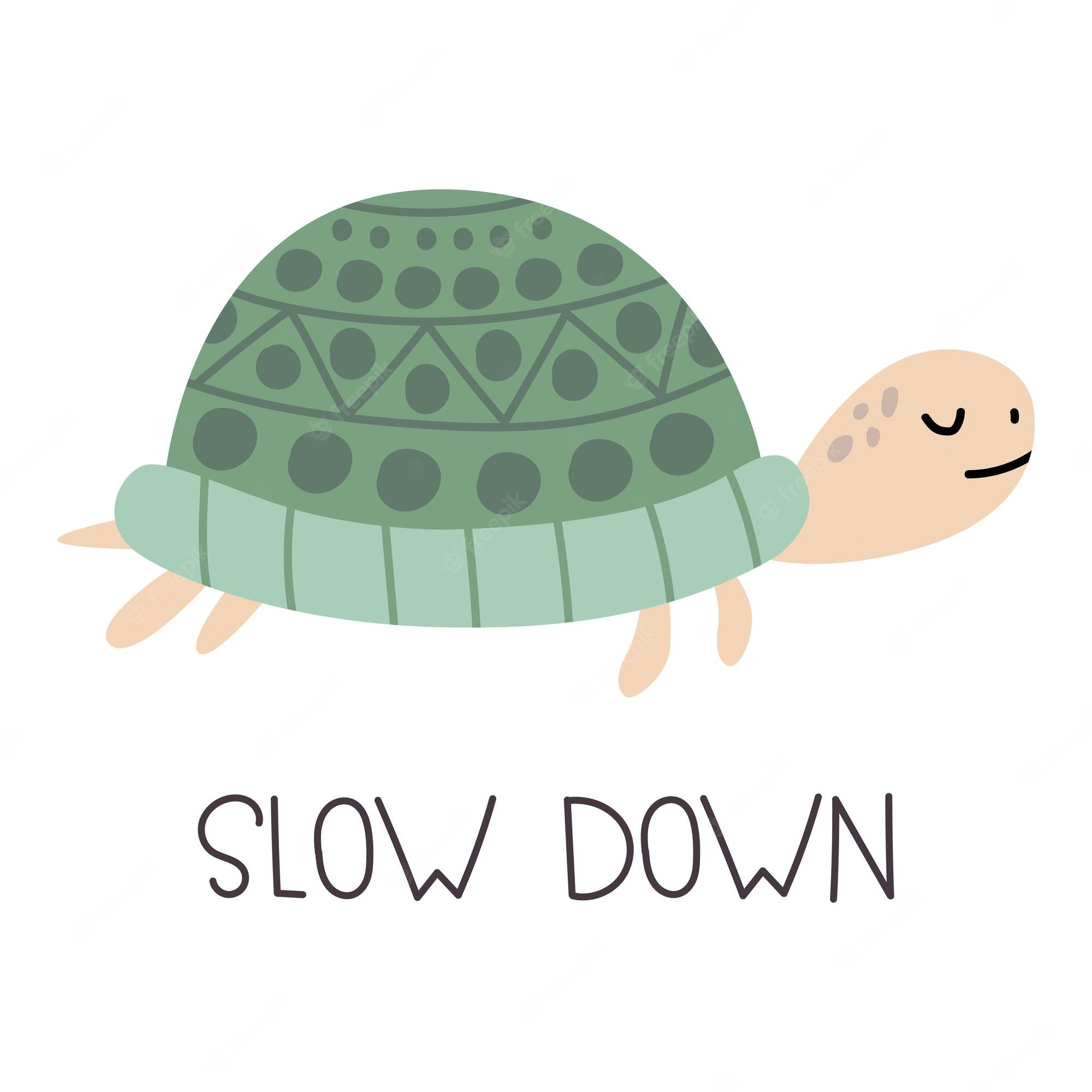
Have you ever noticed that when you rush, you are more likely to make errors that require fixing later? The common mistake is prioritizing speed over accuracy. When we operate at a frantic pace, our cognitive load increases, leading to decision fatigue and careless mistakes. Smarter alternatives involve taking a breath and setting a sustainable pace. Just like the turtle in the illustration suggests, sometimes "slowing down" is the best strategy to ensure you actually finish the race without exhausting yourself before the end.
Are You Mistaking Busyness for Productivity?
It is easy to fall into the trap of measuring your worth by how full your calendar looks. But is a packed schedule actually serving you, or is it just draining your energy? A major error in modern work culture is the glorification of "the hustle." We often fill every available minute with meetings or notifications, leaving no room for deep thought. A smarter way to manage your day is to create "white space" in your schedule. By deliberately blocking out time for nothing but focused work or rest, you allow your brain the downtime it needs to solve complex problems effectively.
Can You Create More Meaning by Doing Less?

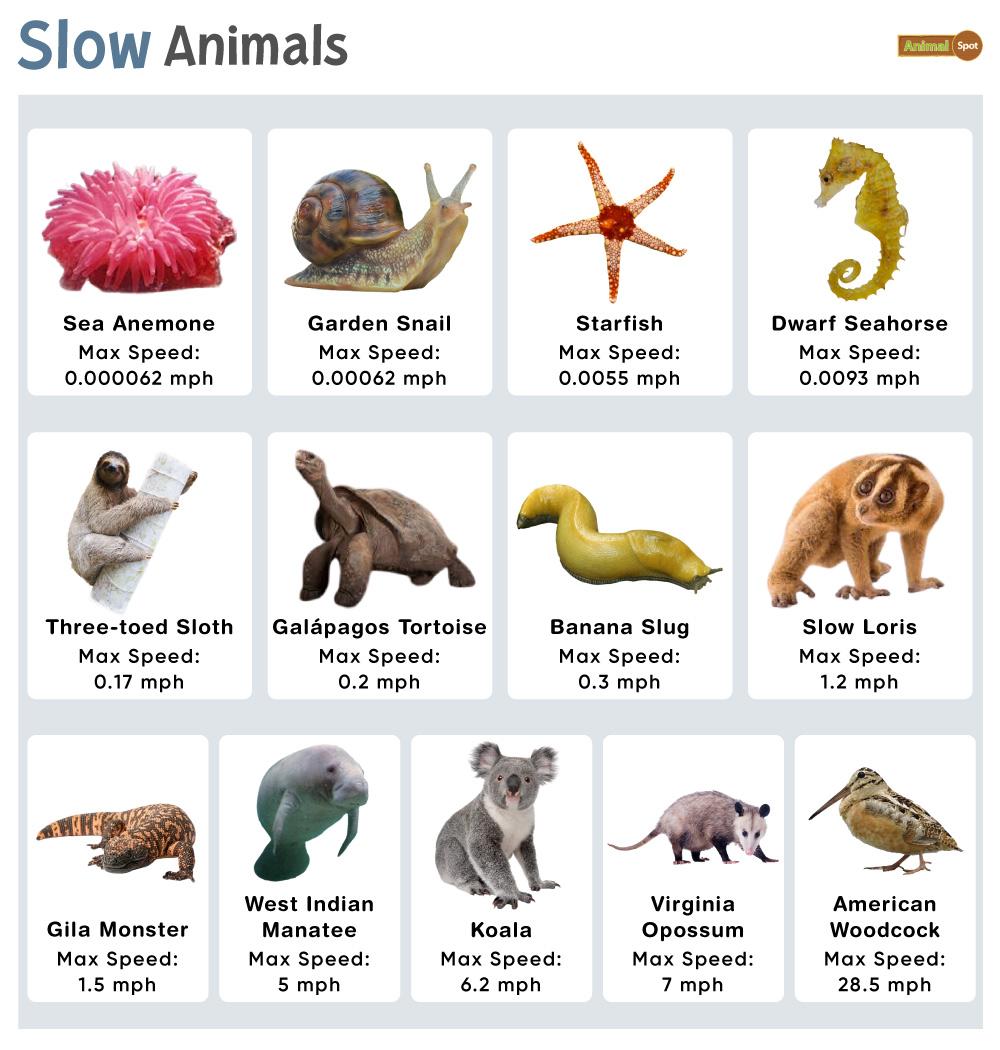
Take a lesson from nature: not every creature needs to be sprinting to survive. The slow loris, for example, moves deliberately to conserve energy and avoid detection. In our own lives, the mistake is often saying "yes" to every request and opportunity. This dilutes our impact. The smarter alternative is ruthless prioritization. Instead of trying to do everything, focus on the few tasks that truly matter. Embracing a slow work slow life means saying "no" to good opportunities so you can say "yes" to great ones, ensuring your energy is spent on what brings the most value.
How to Start Your Transition to a Slower Pace
So, how can you begin to implement these changes without falling behind? Start small. You do not need to overhaul your entire life overnight. Begin by turning off non-urgent notifications during specific work hours. Practice "single-tasking" instead of multitasking—focus on one email or report at a time. Finally, set a hard stop time for your workday. By creating boundaries, you protect your personal time, allowing you to recharge fully. This balance is the essence of the slow philosophy, leading to sustainable success rather than temporary spikes in productivity.
Do you feel like you are constantly running on a treadmill that never stops? Many of us equate speed with efficiency, believing that doing everything faster is the only way to succeed. However, adopting a slow work slow life approach might actually be the key to unlocking better results and a calmer mind. It is not about being lazy; it is about being intentional. By shifting your focus from volume to value, you can reduce burnout and improve the quality of everything you do.
Why Hurrying Through Tasks Often Backfires
Have you ever noticed that when you rush, you are more likely to make errors that require fixing later? The common mistake is prioritizing speed over accuracy. When we operate at a frantic pace, our cognitive load increases, leading to decision fatigue and careless mistakes. Smarter alternatives involve taking a breath and setting a sustainable pace. Just like the turtle in the illustration suggests, sometimes "slowing down" is the best strategy to ensure you actually finish the race without exhausting yourself before the end.
Are You Mistaking Busyness for Productivity?
It is easy to fall into the trap of measuring your worth by how full your calendar looks. But is a packed schedule actually serving you, or is it just draining your energy? A major error in modern work culture is the glorification of "the hustle." We often fill every available minute with meetings or notifications, leaving no room for deep thought. A smarter way to manage your day is to create "white space" in your schedule. By deliberately blocking out time for nothing but focused work or rest, you allow your brain the downtime it needs to solve complex problems effectively.
Can You Create More Meaning by Doing Less?
Take a lesson from nature: not every creature needs to be sprinting to survive. The slow loris, for example, moves deliberately to conserve energy and avoid detection. In our own lives, the mistake is often saying "yes" to every request and opportunity. This dilutes our impact. The smarter alternative is ruthless prioritization. Instead of trying to do everything, focus on the few tasks that truly matter. Embracing a slow work slow life means saying "no" to good opportunities so you can say "yes" to great ones, ensuring your energy is spent on what brings the most value.
How to Start Your Transition to a Slower Pace
So, how can you begin to implement these changes without falling behind? Start small. You do not need to overhaul your entire life overnight. Begin by turning off non-urgent notifications during specific work hours. Practice "single-tasking" instead of multitasking—focus on one email or report at a time. Finally, set a hard stop time for your workday. By creating boundaries, you protect your personal time, allowing you to recharge fully. This balance is the essence of the slow philosophy, leading to sustainable success rather than temporary spikes in productivity.
Printable List Of Animals - Printable Free Templates
Printable List Of Animals - Printable Free Templates
Slow Icon
Slow Icon
Slow Road Curves Ahead Caution Sign 11449401 Vector Art At Vecteezy
Slow Road Curves Ahead Caution Sign 11449401 Vector Art at Vecteezy