In a market driven by instant gratification, the decision to intentionally slow down and enjoy life can seem counterintuitive. However, for the value-focused individual, efficiency is not strictly about speed; it is about the optimal allocation of resources. Rushing through decisions or daily tasks often leads to diminishing returns, where the cost of errors and stress outweighs the time saved. Analyzing your pace through a lens of ROI reveals that a measured approach often yields higher quality results and greater personal satisfaction.
The Fallacy of Maximum Velocity
Many professionals equate busyness with productivity, yet these are distinct metrics. High-velocity lifestyles typically prioritize output volume over outcome quality. When we examine the comparison between "fast" and "deliberate," the data often favors the latter. Rapid execution frequently necessitates rework, whereas a methodical pace builds consistency. By treating your energy as a finite capital asset, you begin to see that conserving mental resources prevents burnout—a state that offers zero return on investment.
Visualizing Long-Term Growth
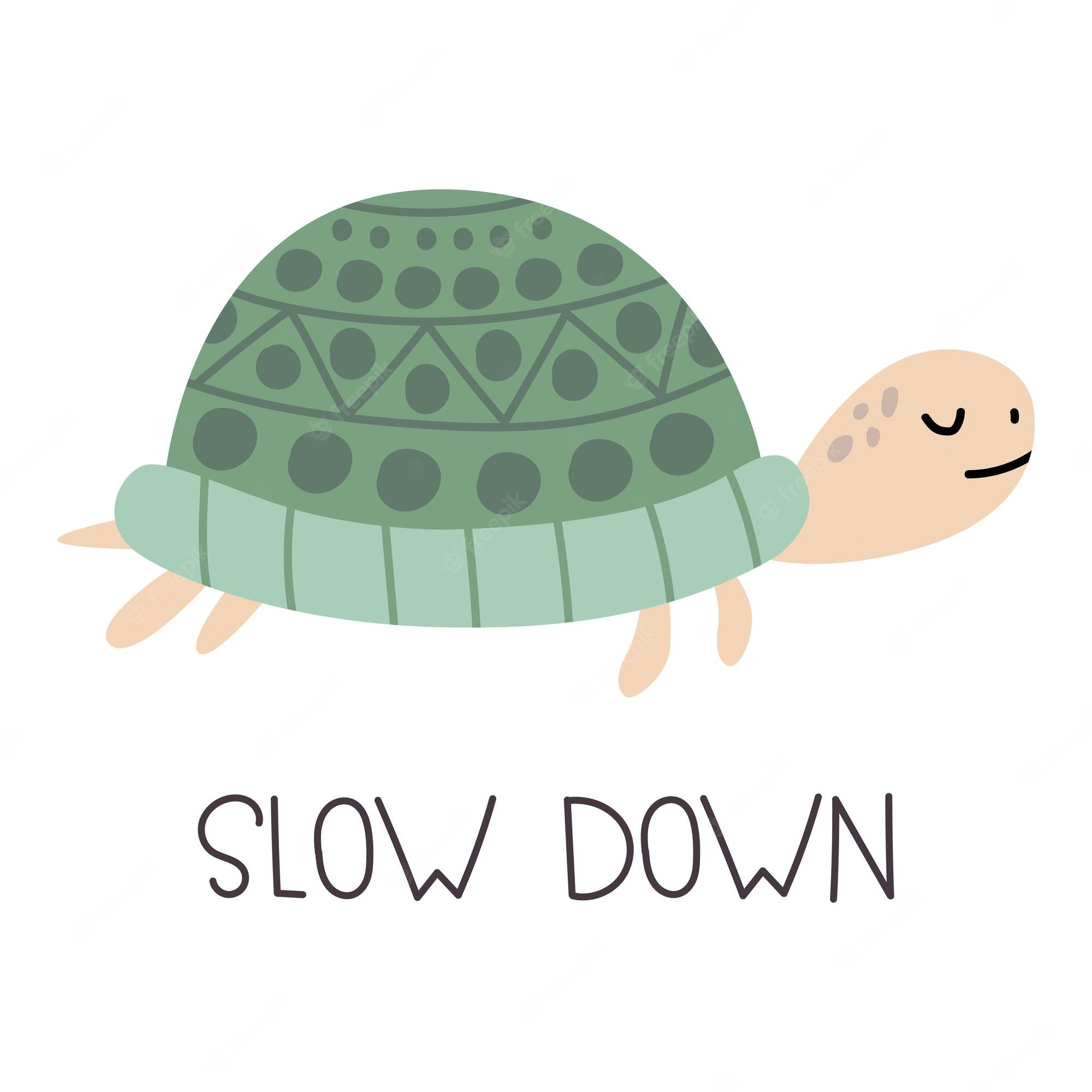
The tortoise-and-hare metaphor remains relevant because of its economic truth. The steady pace protects the participant from volatility. In lifestyle design, this translates to sustainable habits rather than unsustainable sprints. Visualizing your trajectory like the turtle suggests that reaching a destination requires endurance, not just explosive power. By adopting a slower cadence, you secure the ability to remain active and productive over a longer timeline, maximizing the total value derived from your experiences.
Biological Efficiency in Action

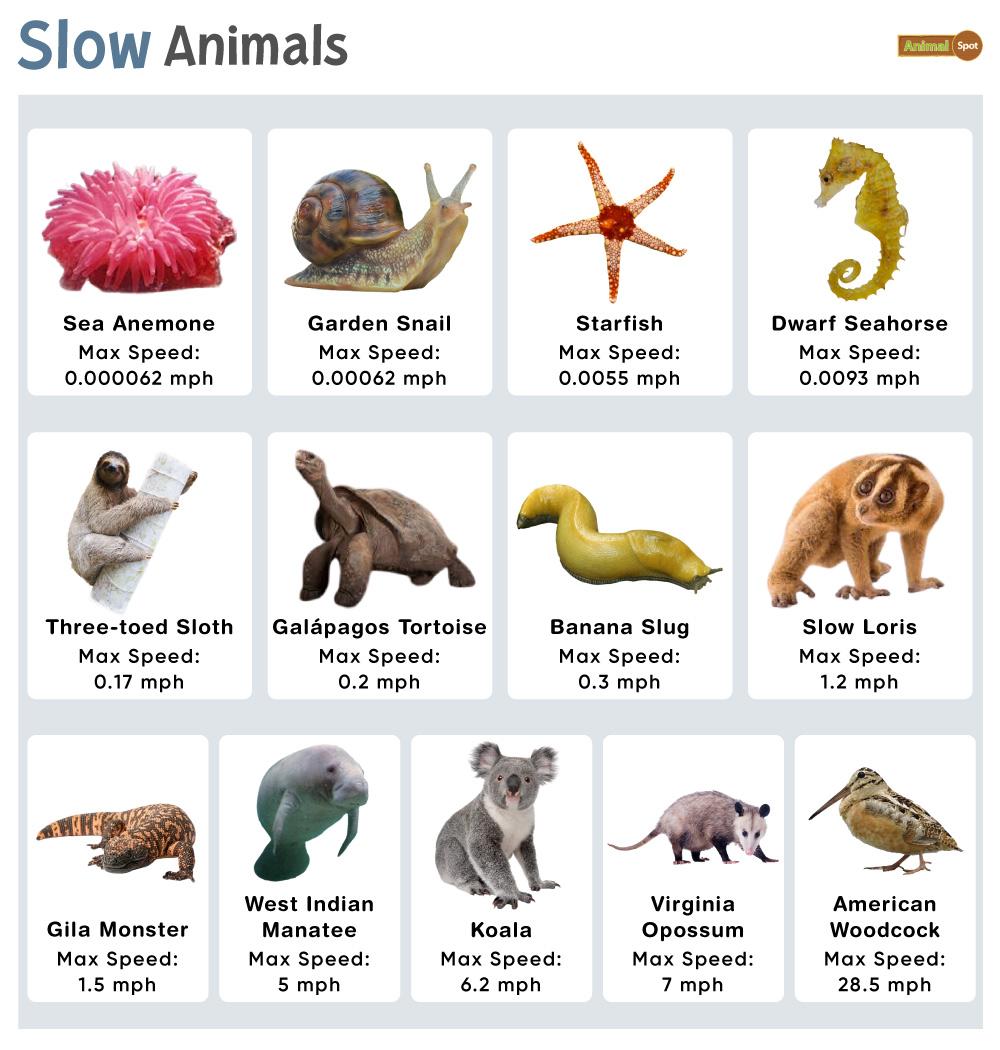
Nature provides a practical guide to energy management. The slow loris, for example, moves with deliberate intent to conserve calories and avoid predators. This biological strategy is a high-value decision framework for humans. Unnecessary movement and frantic multitasking are the cognitive equivalent of leaking energy. By observing such natural examples, we can model our own behavior to exert effort only where it produces the highest impact, eliminating wasted motion that drains our reserves without offering a payoff.
A Comparison of Hurried vs. Deliberate Living
To implement this shift, one must evaluate the trade-offs between a hurried lifestyle and a deliberate one. A hurried approach often relies on reactive decision-making, leading to suboptimal choices. In contrast, a deliberate approach utilizes proactive planning. Consider the following practical distinctions:
- Consumption: Fast living prioritizes quantity and convenience; slow living prioritizes quality and nourishment.
- Relationships: Transactional interactions focus on speed; relational interactions focus on depth and listening.
- Problem Solving: Rushed solutions address symptoms; deliberate solutions uncover root causes.
Decision Framework: When to Pause
Implementing a slower pace requires specific decision points. You should not simply "do less," but rather "do at the right speed." When facing a complex purchase or a life change, the value of the decision justifies the time taken to analyze it. Build triggers into your routine that force a stop-and-evaluate step. This ensures that your actions align with your long-term goals rather than short-term impulses.
Maximizing Life Returns
Ultimately, the directive to slow down and enjoy life is a strategy for premium living. It moves the focus from accumulation to appreciation. By auditing your schedule and removing low-value velocity, you create room for high-value experiences. The analytical conclusion is clear: a paced life is not a life of less achievement, but a life of higher quality achievement and greater fulfillment.
In a market driven by instant gratification, the decision to intentionally slow down and enjoy life can seem counterintuitive. However, for the value-focused individual, efficiency is not strictly about speed; it is about the optimal allocation of resources. Rushing through decisions or daily tasks often leads to diminishing returns, where the cost of errors and stress outweighs the time saved. Analyzing your pace through a lens of ROI reveals that a measured approach often yields higher quality results and greater personal satisfaction.
The Fallacy of Maximum Velocity
Many professionals equate busyness with productivity, yet these are distinct metrics. High-velocity lifestyles typically prioritize output volume over outcome quality. When we examine the comparison between "fast" and "deliberate," the data often favors the latter. Rapid execution frequently necessitates rework, whereas a methodical pace builds consistency. By treating your energy as a finite capital asset, you begin to see that conserving mental resources prevents burnout—a state that offers zero return on investment.
Visualizing Long-Term Growth
The tortoise-and-hare metaphor remains relevant because of its economic truth. The steady pace protects the participant from volatility. In lifestyle design, this translates to sustainable habits rather than unsustainable sprints. Visualizing your trajectory like the turtle suggests that reaching a destination requires endurance, not just explosive power. By adopting a slower cadence, you secure the ability to remain active and productive over a longer timeline, maximizing the total value derived from your experiences.
Biological Efficiency in Action
Nature provides a practical guide to energy management. The slow loris, for example, moves with deliberate intent to conserve calories and avoid predators. This biological strategy is a high-value decision framework for humans. Unnecessary movement and frantic multitasking are the cognitive equivalent of leaking energy. By observing such natural examples, we can model our own behavior to exert effort only where it produces the highest impact, eliminating wasted motion that drains our reserves without offering a payoff.
A Comparison of Hurried vs. Deliberate Living
To implement this shift, one must evaluate the trade-offs between a hurried lifestyle and a deliberate one. A hurried approach often relies on reactive decision-making, leading to suboptimal choices. In contrast, a deliberate approach utilizes proactive planning. Consider the following practical distinctions:
- Consumption: Fast living prioritizes quantity and convenience; slow living prioritizes quality and nourishment.
- Relationships: Transactional interactions focus on speed; relational interactions focus on depth and listening.
- Problem Solving: Rushed solutions address symptoms; deliberate solutions uncover root causes.
Decision Framework: When to Pause
Implementing a slower pace requires specific decision points. You should not simply "do less," but rather "do at the right speed." When facing a complex purchase or a life change, the value of the decision justifies the time taken to analyze it. Build triggers into your routine that force a stop-and-evaluate step. This ensures that your actions align with your long-term goals rather than short-term impulses.
Maximizing Life Returns
Ultimately, the directive to slow down and enjoy life is a strategy for premium living. It moves the focus from accumulation to appreciation. By auditing your schedule and removing low-value velocity, you create room for high-value experiences. The analytical conclusion is clear: a paced life is not a life of less achievement, but a life of higher quality achievement and greater fulfillment.
Slow Icon
Slow Icon
Printable List Of Animals - Printable Free Templates
Printable List Of Animals - Printable Free Templates
Slow Road Curves Ahead Caution Sign 11449401 Vector Art At Vecteezy
Slow Road Curves Ahead Caution Sign 11449401 Vector Art at Vecteezy