Modern parenting often feels like an endless sprint against the clock. A slow family living book serves as a necessary counter-narrative to this constant rush, offering a framework for dialing back the intensity of daily life. It is not about doing everything poorly; it is about doing fewer things with greater intention and deeper connection.
Why the Trend is Resonating Now
Families are experiencing a distinct form of burnout caused by over-scheduling and the pressure to optimize every childhood moment. The slow living movement pushes back against the idea that "more is better," arguing that quality of connection trumps quantity of activities. This approach prioritizes mental well-being and family bonding over external achievement, creating a sanctuary from the noise of a hyper-connected world.
Finding Rhythm in Nature's Speed
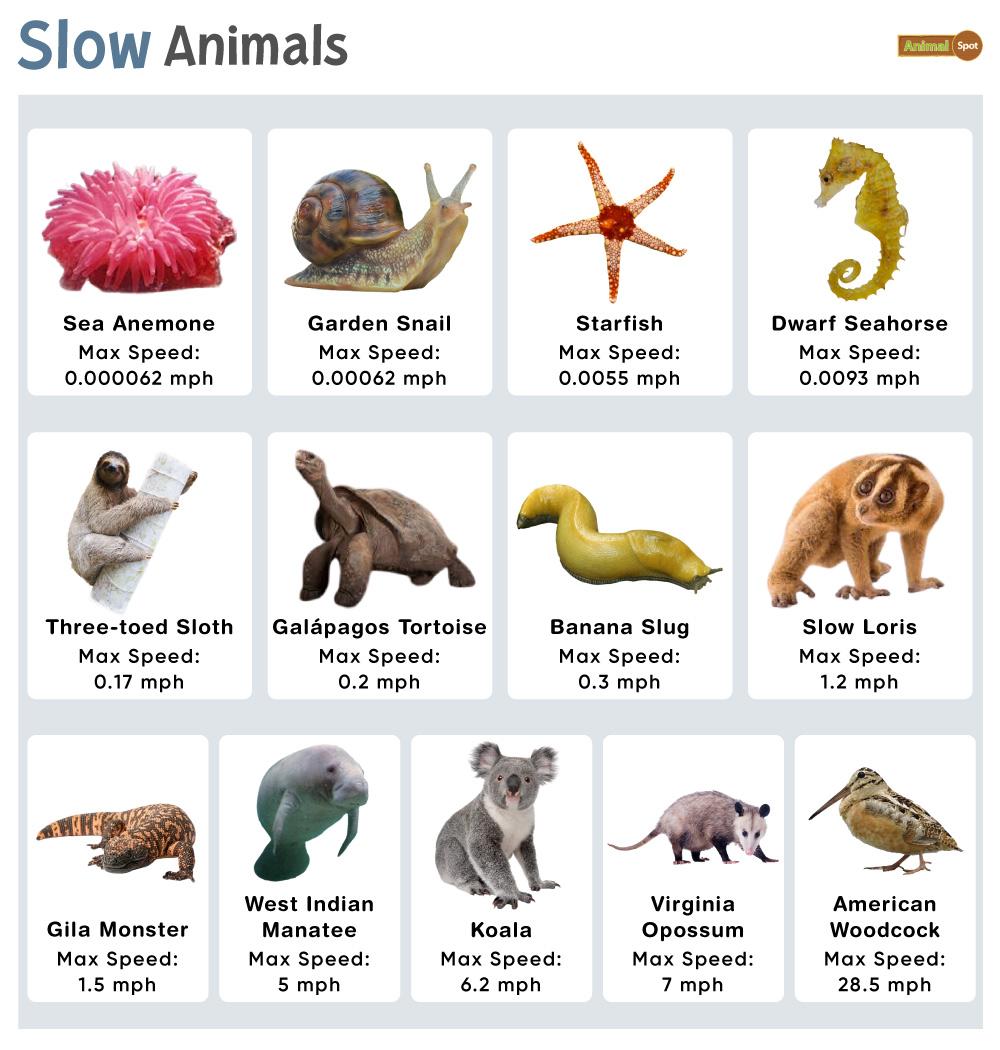
Nature rarely rushes, yet everything gets accomplished. A quality book on this subject often draws parallels between natural rhythms and domestic life. By observing how the animal kingdom operates without urgency, we can begin to dismantle the artificial deadlines we place on our own households. It is a helpful reminder that speed does not always equal efficiency, and sometimes moving slowly is the best way to move forward.
Practical Steps to Declutter the Schedule
Reading about the philosophy is the first step, but implementation requires structure. A slow family living book provides concrete strategies to declutter not just physical possessions, but time commitments. It encourages parents to become gatekeepers of their family's time, learning to say "no" to obligations that do not align with their core values. This creates "margin"—unstructured space in the day where boredom is allowed and creativity can flourish without adult direction.
Visual Reminders for Daily Life
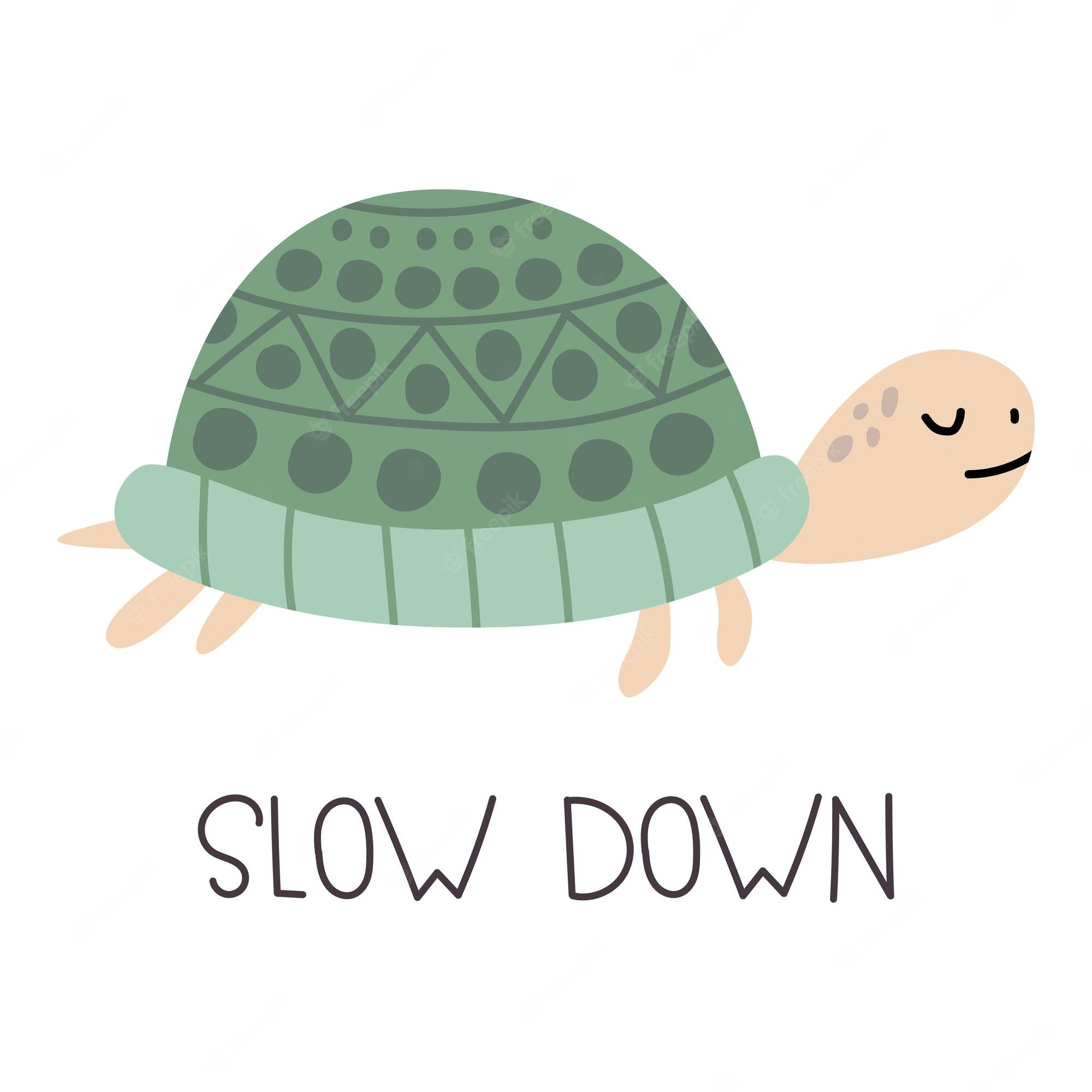
Sometimes, the most profound advice is the simplest. Visual reminders, such as the image of a turtle, act as anchors during a chaotic afternoon. When the impulse to hurriedly fix dinner or rush to the next activity arises, these prompts encourage a physical pause. It is about finding that split second to breathe before reacting, shifting the family atmosphere from frantic to calm.
Building Resilience Through Quiet Moments
Children raised in a slower environment often develop stronger emotional resilience. When they are not constantly shuttled from one activity to the next, they have the time to process their feelings and navigate conflicts at their own pace. A slow family living book highlights that these quiet, unstructured moments are not wasted time; they are the breeding ground for independence, self-regulation, and authentic family connection.
Adopting a slower cadence is a discipline, not an accident. A slow family living book offers the map, but the walk is yours to take. Start small, perhaps by protecting the dinner hour from screens or committing to one fully unscheduled weekend day. The goal is not perfection, but presence.
Modern parenting often feels like an endless sprint against the clock. A slow family living book serves as a necessary counter-narrative to this constant rush, offering a framework for dialing back the intensity of daily life. It is not about doing everything poorly; it is about doing fewer things with greater intention and deeper connection.
Why the Trend is Resonating Now
Families are experiencing a distinct form of burnout caused by over-scheduling and the pressure to optimize every childhood moment. The slow living movement pushes back against the idea that "more is better," arguing that quality of connection trumps quantity of activities. This approach prioritizes mental well-being and family bonding over external achievement, creating a sanctuary from the noise of a hyper-connected world.
Finding Rhythm in Nature's Speed
Nature rarely rushes, yet everything gets accomplished. A quality book on this subject often draws parallels between natural rhythms and domestic life. By observing how the animal kingdom operates without urgency, we can begin to dismantle the artificial deadlines we place on our own households. It is a helpful reminder that speed does not always equal efficiency, and sometimes moving slowly is the best way to move forward.
Practical Steps to Declutter the Schedule
Reading about the philosophy is the first step, but implementation requires structure. A slow family living book provides concrete strategies to declutter not just physical possessions, but time commitments. It encourages parents to become gatekeepers of their family's time, learning to say "no" to obligations that do not align with their core values. This creates "margin"—unstructured space in the day where boredom is allowed and creativity can flourish without adult direction.
Visual Reminders for Daily Life
Sometimes, the most profound advice is the simplest. Visual reminders, such as the image of a turtle, act as anchors during a chaotic afternoon. When the impulse to hurriedly fix dinner or rush to the next activity arises, these prompts encourage a physical pause. It is about finding that split second to breathe before reacting, shifting the family atmosphere from frantic to calm.
Building Resilience Through Quiet Moments
Children raised in a slower environment often develop stronger emotional resilience. When they are not constantly shuttled from one activity to the next, they have the time to process their feelings and navigate conflicts at their own pace. A slow family living book highlights that these quiet, unstructured moments are not wasted time; they are the breeding ground for independence, self-regulation, and authentic family connection.
Adopting a slower cadence is a discipline, not an accident. A slow family living book offers the map, but the walk is yours to take. Start small, perhaps by protecting the dinner hour from screens or committing to one fully unscheduled weekend day. The goal is not perfection, but presence.
Slow Road Curves Ahead Caution Sign 11449401 Vector Art At Vecteezy
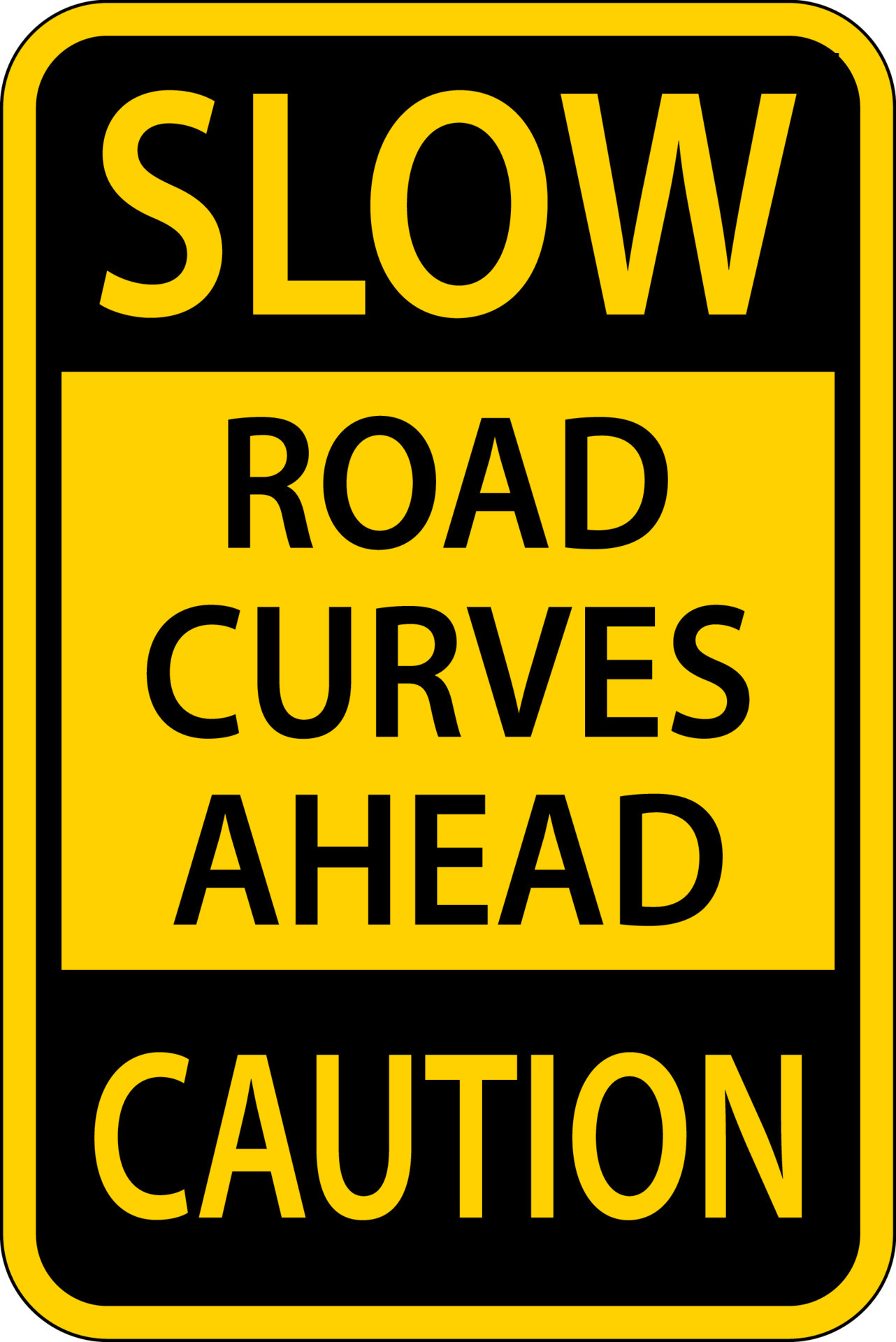
Slow Road Curves Ahead Caution Sign 11449401 Vector Art at Vecteezy
Slow Icon

Slow Icon
Venom Of A Slow Loris – 25 Awesome Slow Loris Fun Facts – JYZXLK

Venom Of A Slow Loris – 25 Awesome Slow Loris Fun Facts – JYZXLK