When you are rushing to fix a connectivity issue or optimize a network, the temptation is to look for the quickest possible solution. However, the most effective troubleshooting often comes from embracing the low and slow basics—taking the time to understand how data actually moves from point A to point B. For a busy practical reader, this might sound counterintuitive, but slowing down to examine the foundational mechanics usually saves hours of guessing later on.
The Trade-off Between Quick Fixes and Deep Inspection
The modern IT environment demands speed, but there is a distinct trade-off between rapid patching and understanding the root cause. When you rely solely on automated tools or high-level dashboards, you might solve the symptom but miss the underlying structural flaw. Adopting a low and slow basics approach means accepting that initial diagnosis takes longer. The practical benefit is durability; a fix based on layer-by-layer understanding prevents the issue from recurring next week. While jumping between configuration screens is faster in the short term, digging into the packet flow provides the realistic expectation needed for long-term stability.
Visualizing Data Wrapping and Unwrapping
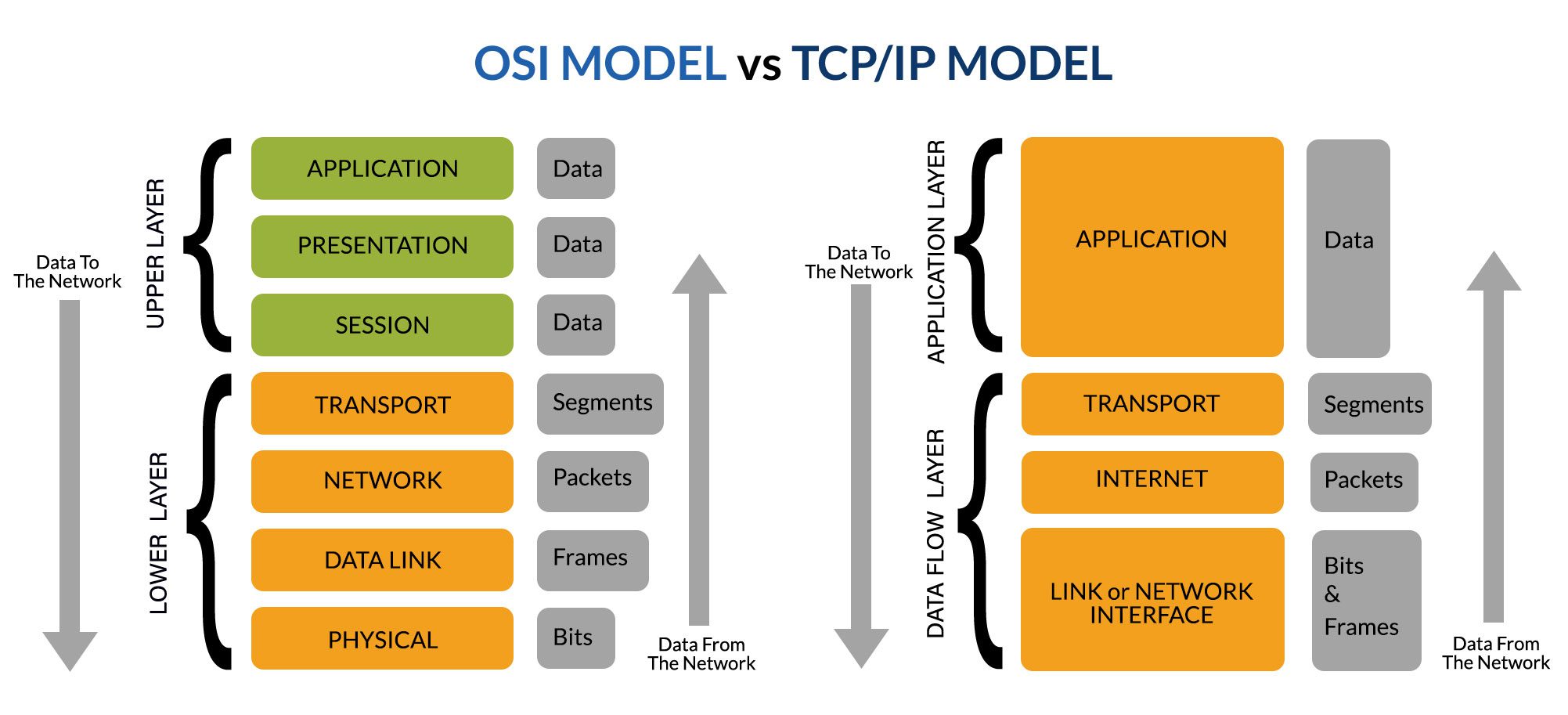
Understanding how information moves requires looking at encapsulation. As data passes down the stack, headers and footers are added—like putting a letter in an envelope, then putting that envelope in a box. Conversely, decapsulation is the process of removing those wrappers on the receiving end. If you skip these low and slow basics, you might assume data arrives exactly as it was sent, ignoring the protocol handshakes that happen in between. Visualizing this process helps you pinpoint exactly where a conversation breaks down, whether it is at the transport layer or the network layer.
Mapping the Communication Layers

The OSI model is more than just a theory chart; it is a map for isolation. When a user reports an application failure, a practical engineer uses these layers to isolate the fault. Is it a physical cabling issue (Layer 1), or is it a software logic problem (Layer 7)? By systematically analyzing the layers rather than random checking, you apply a rigorous logic that cuts through the noise. This methodical analysis defines the low and slow basics: instead of rebooting a server in hopes of a miracle, you check the specific layer responsible for the error.
Realistic Expectations for Maintenance
Applying these fundamentals comes with the realization that not all problems have instant fixes. Here is what you should expect when you shift your focus to deeper structural understanding:
- Longer Setup Time: Configuring networks with strict adherence to layers takes more effort initially.
- Clearer Troubleshooting: When failures occur, the log files and packet captures tell a much clearer story.
- Reduced Downtime: Fixing the root cause eliminates the "flapping" interfaces that plague networks patched with quick fixes.
Ultimately, the low and slow basics are not about working slower, but about working with precision. By grounding your routine in how data is encapsulated and how layers interact, you build a network that is predictable and easier to manage.
When you are rushing to fix a connectivity issue or optimize a network, the temptation is to look for the quickest possible solution. However, the most effective troubleshooting often comes from embracing the low and slow basics—taking the time to understand how data actually moves from point A to point B. For a busy practical reader, this might sound counterintuitive, but slowing down to examine the foundational mechanics usually saves hours of guessing later on.
The Trade-off Between Quick Fixes and Deep Inspection
The modern IT environment demands speed, but there is a distinct trade-off between rapid patching and understanding the root cause. When you rely solely on automated tools or high-level dashboards, you might solve the symptom but miss the underlying structural flaw. Adopting a low and slow basics approach means accepting that initial diagnosis takes longer. The practical benefit is durability; a fix based on layer-by-layer understanding prevents the issue from recurring next week. While jumping between configuration screens is faster in the short term, digging into the packet flow provides the realistic expectation needed for long-term stability.
Visualizing Data Wrapping and Unwrapping
Understanding how information moves requires looking at encapsulation. As data passes down the stack, headers and footers are added—like putting a letter in an envelope, then putting that envelope in a box. Conversely, decapsulation is the process of removing those wrappers on the receiving end. If you skip these low and slow basics, you might assume data arrives exactly as it was sent, ignoring the protocol handshakes that happen in between. Visualizing this process helps you pinpoint exactly where a conversation breaks down, whether it is at the transport layer or the network layer.
Mapping the Communication Layers
The OSI model is more than just a theory chart; it is a map for isolation. When a user reports an application failure, a practical engineer uses these layers to isolate the fault. Is it a physical cabling issue (Layer 1), or is it a software logic problem (Layer 7)? By systematically analyzing the layers rather than random checking, you apply a rigorous logic that cuts through the noise. This methodical analysis defines the low and slow basics: instead of rebooting a server in hopes of a miracle, you check the specific layer responsible for the error.
Realistic Expectations for Maintenance
Applying these fundamentals comes with the realization that not all problems have instant fixes. Here is what you should expect when you shift your focus to deeper structural understanding:
- Longer Setup Time: Configuring networks with strict adherence to layers takes more effort initially.
- Clearer Troubleshooting: When failures occur, the log files and packet captures tell a much clearer story.
- Reduced Downtime: Fixing the root cause eliminates the "flapping" interfaces that plague networks patched with quick fixes.
Ultimately, the low and slow basics are not about working slower, but about working with precision. By grounding your routine in how data is encapsulated and how layers interact, you build a network that is predictable and easier to manage.