Many professionals mistake speed for efficiency, rushing through tasks to clear a backlog that never seems to shrink. This constant acceleration often leads to burnout rather than progress. Simple slow living offers a corrective framework: it is not about doing everything at a snail’s pace, but about intentionally pacing your life to prioritize quality over quantity. By stripping away the non-essential, you create space for the work and relationships that actually matter.
When Your Morning Routine Starts with Panic
If your first instinct upon waking is to check email or social media, you are ceding control of your day before your feet hit the floor. This reactive state triggers cortisol, setting a frantic tone for the hours that follow. To reclaim this time, create a "launchpad" the night before by laying out clothes and preparing your work bag. More importantly, enforce a digital buffer zone for the first 20 minutes of your day. Use this time for hydration, light movement, or quiet planning. The goal is to transition from passive sleep to active work on your own terms, rather than reacting to the demands of others.
You’re Drowning in Minor Decisions
Decision fatigue is a real productivity killer. When you spend mental energy debating what to eat for lunch or which show to watch, you deplete the cognitive reserve needed for complex problem-solving. Simple slow living advocates for the automation of the mundane. Adopt a uniform or a capsule wardrobe to eliminate morning choices. Establish a standard rotating menu for weekday meals. These actions may feel rigid initially, but they provide the freedom to focus your creativity on high-impact projects. Be careful not to over-automate areas of your life that bring you genuine joy, such as exploring new cuisines on the weekend.
Your Free Time Is Consumed by Passive Consumption
There is a difference between resting and simply checking out. Scrolling through short-form video content for hours is not restorative; it is often numbing. True rest requires active engagement with the real world. Try substituting a screen-based evening with a tactile activity, such as cooking a meal from scratch, gardening, or reading a physical book. These activities engage different senses and allow your mind to enter a state of "soft focus," which is far more rejuvenating for a problem-solving brain than the hyper-stimulation of digital feeds.
Social Obligations Feel Like a Second Job
An overcrowded calendar is often a symptom of an inability to say "no." In a culture that glorifies busyness, protecting your time requires assertiveness. Audit your current commitments and identify which ones are driven by obligation rather than genuine interest or value. It is acceptable to decline invitations or step back from committees that no longer serve your goals. The caution here is balance; isolation is not the objective. Instead, aim to protect your bandwidth so that when you do socialize, you can be fully present and energized, rather than mentally drafting your to-do list in the corner of the room.
Many professionals mistake speed for efficiency, rushing through tasks to clear a backlog that never seems to shrink. This constant acceleration often leads to burnout rather than progress. Simple slow living offers a corrective framework: it is not about doing everything at a snail’s pace, but about intentionally pacing your life to prioritize quality over quantity. By stripping away the non-essential, you create space for the work and relationships that actually matter.
When Your Morning Routine Starts with Panic
If your first instinct upon waking is to check email or social media, you are ceding control of your day before your feet hit the floor. This reactive state triggers cortisol, setting a frantic tone for the hours that follow. To reclaim this time, create a "launchpad" the night before by laying out clothes and preparing your work bag. More importantly, enforce a digital buffer zone for the first 20 minutes of your day. Use this time for hydration, light movement, or quiet planning. The goal is to transition from passive sleep to active work on your own terms, rather than reacting to the demands of others.
You’re Drowning in Minor Decisions
Decision fatigue is a real productivity killer. When you spend mental energy debating what to eat for lunch or which show to watch, you deplete the cognitive reserve needed for complex problem-solving. Simple slow living advocates for the automation of the mundane. Adopt a uniform or a capsule wardrobe to eliminate morning choices. Establish a standard rotating menu for weekday meals. These actions may feel rigid initially, but they provide the freedom to focus your creativity on high-impact projects. Be careful not to over-automate areas of your life that bring you genuine joy, such as exploring new cuisines on the weekend.
Your Free Time Is Consumed by Passive Consumption
There is a difference between resting and simply checking out. Scrolling through short-form video content for hours is not restorative; it is often numbing. True rest requires active engagement with the real world. Try substituting a screen-based evening with a tactile activity, such as cooking a meal from scratch, gardening, or reading a physical book. These activities engage different senses and allow your mind to enter a state of "soft focus," which is far more rejuvenating for a problem-solving brain than the hyper-stimulation of digital feeds.
Social Obligations Feel Like a Second Job
An overcrowded calendar is often a symptom of an inability to say "no." In a culture that glorifies busyness, protecting your time requires assertiveness. Audit your current commitments and identify which ones are driven by obligation rather than genuine interest or value. It is acceptable to decline invitations or step back from committees that no longer serve your goals. The caution here is balance; isolation is not the objective. Instead, aim to protect your bandwidth so that when you do socialize, you can be fully present and energized, rather than mentally drafting your to-do list in the corner of the room.
Simple Machines: Principle, Types, Examples, Applications
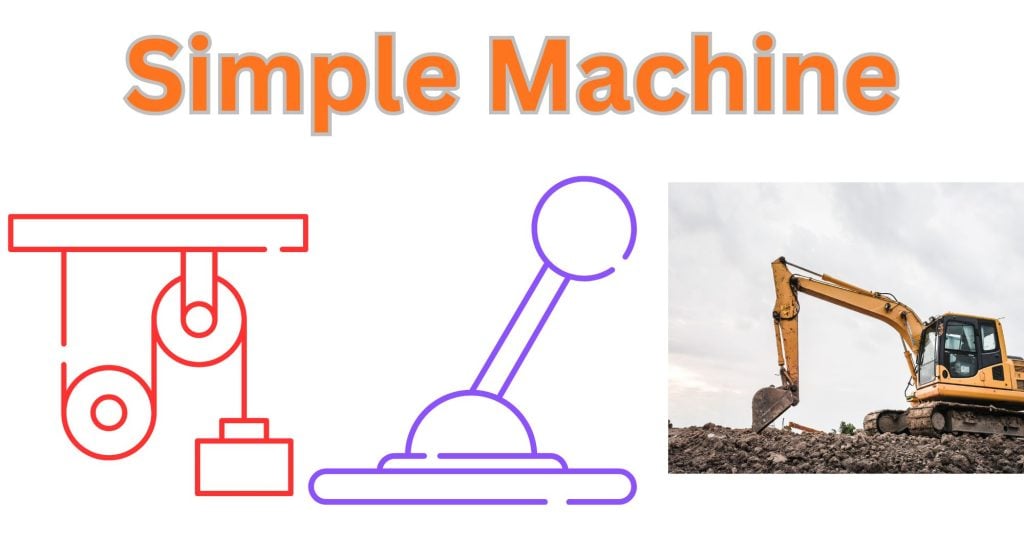
Simple Machines: Principle, Types, Examples, Applications