The art of slow living is often misunderstood as doing less, but it is fundamentally about doing better. It requires a deliberate shift from autopilot to intentionality. For the detail-oriented individual, this approach offers a framework for reclaiming agency over one's time and attention, stripping away the non-essential to reveal what truly drives value.
When You Need to Define the Core Philosophy
This lifestyle is not about moving at a glacial pace; it is about moving at the right pace. It involves examining the "why" behind daily actions. By auditing schedules and identifying tasks that provide negligible return, you create space for high-impact activities. It is a strategic reduction of noise to amplify signal, allowing for deeper engagement with work and leisure alike.
When Cultivating Observation Feels Necessary
Engaging with complex subjects, such as visual arts, forces the brain to switch gears from rapid consumption to deep analysis. Just as an art student studies texture and composition, a practitioner of slow living learns to study their environment. This level of attention turns mundane moments into rich experiences, proving that speed is often the enemy of depth. Developing an eye for detail is a transferrable skill that enhances every facet of life.
When Traditional Structures Limit Your Growth
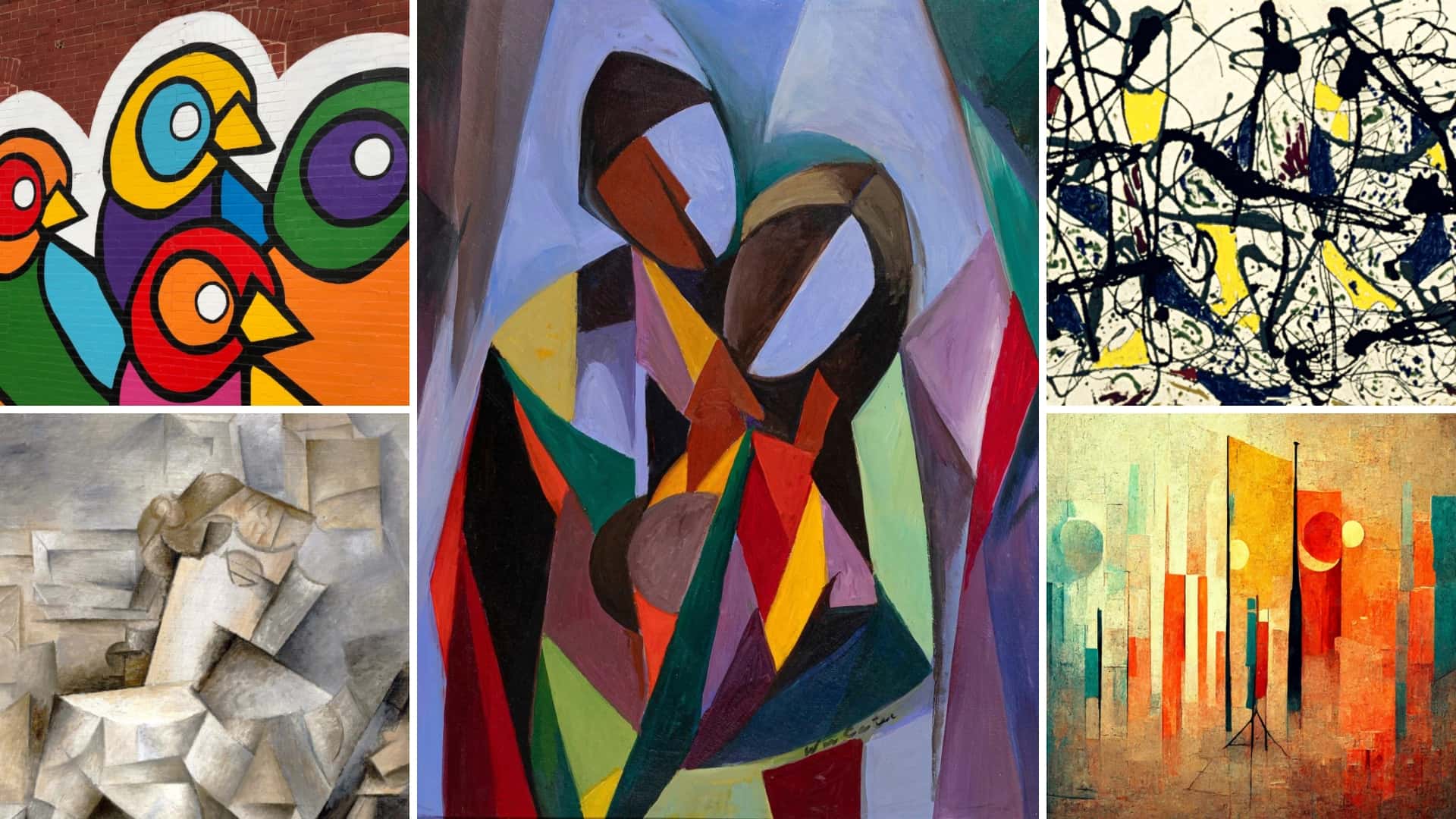
The shift toward a slower existence mirrors the evolution seen in modernism—a departure from rigid norms to more abstract, intentional forms. Breaking away from societal expectations of constant productivity requires a similar structural change. You must be willing to redefine what a "successful" day looks like, prioritizing mental clarity and sustainable output over a frenetically completed checklist. It is about establishing a new rhythm that suits your specific constraints and goals.
When You Are Ready to Implement Concrete Changes
Transitioning to this methodology requires tangible steps rather than vague aspirations. Start by instituting "buffer zones" between meetings or appointments. Use these ten-minute windows to reset rather than immediately scrolling through a device. Another practical method is single-tasking: commit to finishing one report, reading one article, or completing one chore fully before opening a new tab or moving to the next room. This builds momentum and reduces the cognitive load associated with context-switching.
When You Assess the Long-Term Impact
The art of slow living is a disciplined practice of selecting what matters most. By limiting inputs and focusing on the quality of engagement, you build a life that resonates more deeply with your personal and professional values. The result is not just a slower day, but a more substantial one.
The art of slow living is often misunderstood as doing less, but it is fundamentally about doing better. It requires a deliberate shift from autopilot to intentionality. For the detail-oriented individual, this approach offers a framework for reclaiming agency over one's time and attention, stripping away the non-essential to reveal what truly drives value.
When You Need to Define the Core Philosophy
This lifestyle is not about moving at a glacial pace; it is about moving at the right pace. It involves examining the "why" behind daily actions. By auditing schedules and identifying tasks that provide negligible return, you create space for high-impact activities. It is a strategic reduction of noise to amplify signal, allowing for deeper engagement with work and leisure alike.
When Cultivating Observation Feels Necessary
Engaging with complex subjects, such as visual arts, forces the brain to switch gears from rapid consumption to deep analysis. Just as an art student studies texture and composition, a practitioner of slow living learns to study their environment. This level of attention turns mundane moments into rich experiences, proving that speed is often the enemy of depth. Developing an eye for detail is a transferrable skill that enhances every facet of life.
When Traditional Structures Limit Your Growth
The shift toward a slower existence mirrors the evolution seen in modernism—a departure from rigid norms to more abstract, intentional forms. Breaking away from societal expectations of constant productivity requires a similar structural change. You must be willing to redefine what a "successful" day looks like, prioritizing mental clarity and sustainable output over a frenetically completed checklist. It is about establishing a new rhythm that suits your specific constraints and goals.
When You Are Ready to Implement Concrete Changes
Transitioning to this methodology requires tangible steps rather than vague aspirations. Start by instituting "buffer zones" between meetings or appointments. Use these ten-minute windows to reset rather than immediately scrolling through a device. Another practical method is single-tasking: commit to finishing one report, reading one article, or completing one chore fully before opening a new tab or moving to the next room. This builds momentum and reduces the cognitive load associated with context-switching.
When You Assess the Long-Term Impact
The art of slow living is a disciplined practice of selecting what matters most. By limiting inputs and focusing on the quality of engagement, you build a life that resonates more deeply with your personal and professional values. The result is not just a slower day, but a more substantial one.
Social Trends : Art
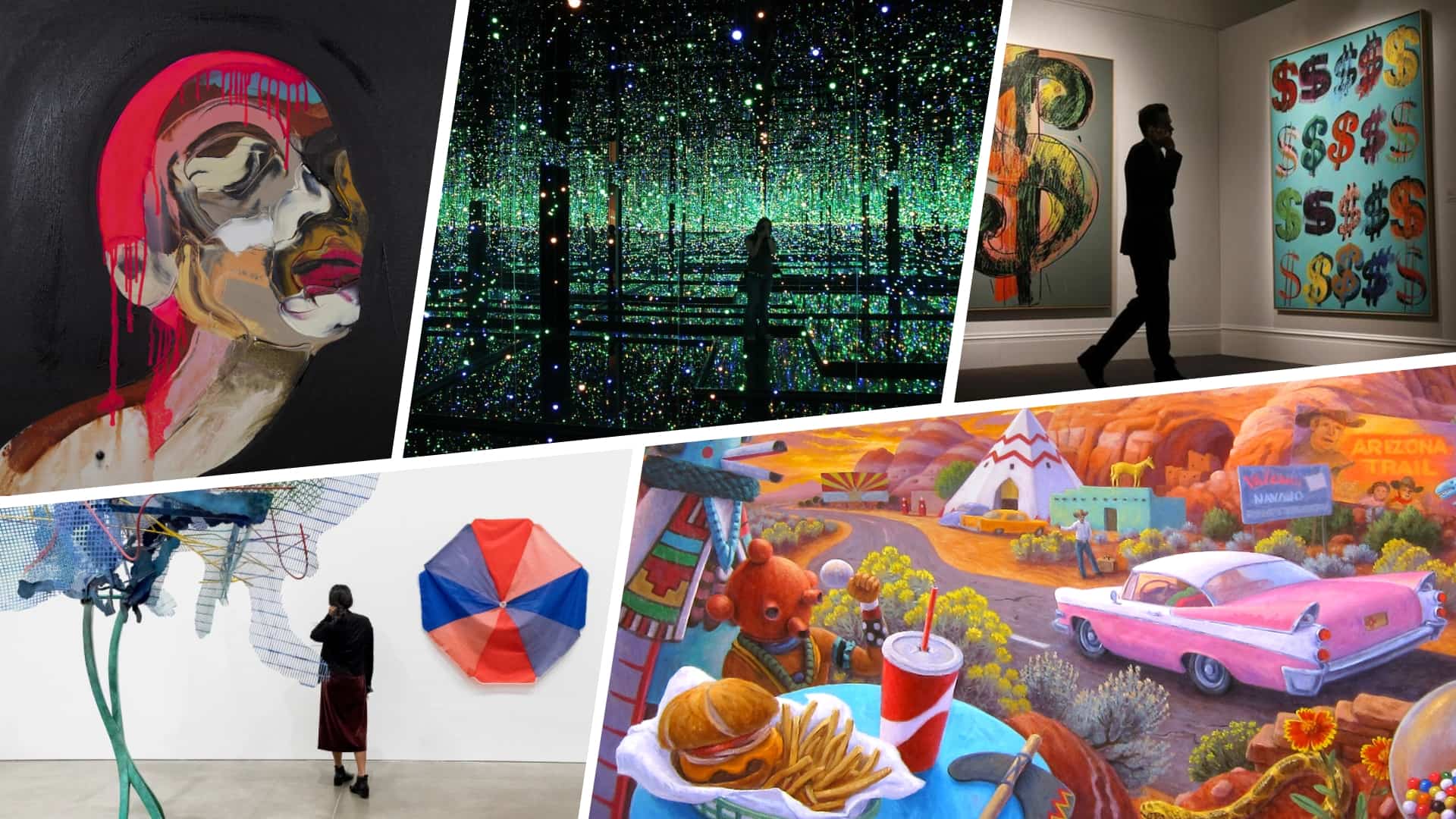
Social Trends : art
Who Are The Artists In The Visual Arts At Dan Bray Blog
Who Are The Artists In The Visual Arts at Dan Bray blog
Visual Arts Drawing And Painting 10 Forms Of Indian Art That Have

Visual Arts Drawing And Painting 10 Forms Of Indian Art That Have