In a society obsessed with productivity and constant hustle, the concept of stepping back can feel counterintuitive. You might be wondering, what is slow living and why is it gaining traction? At its core, slow living is a lifestyle philosophy that emphasizes intentionality over efficiency. It isn't about doing everything at a snail’s pace; rather, it is about doing fewer things but with greater purpose, quality, and attention. It is the deliberate choice to curate your life so that you have the time and space to savor the present moment.
Check Your Internal Speedometer
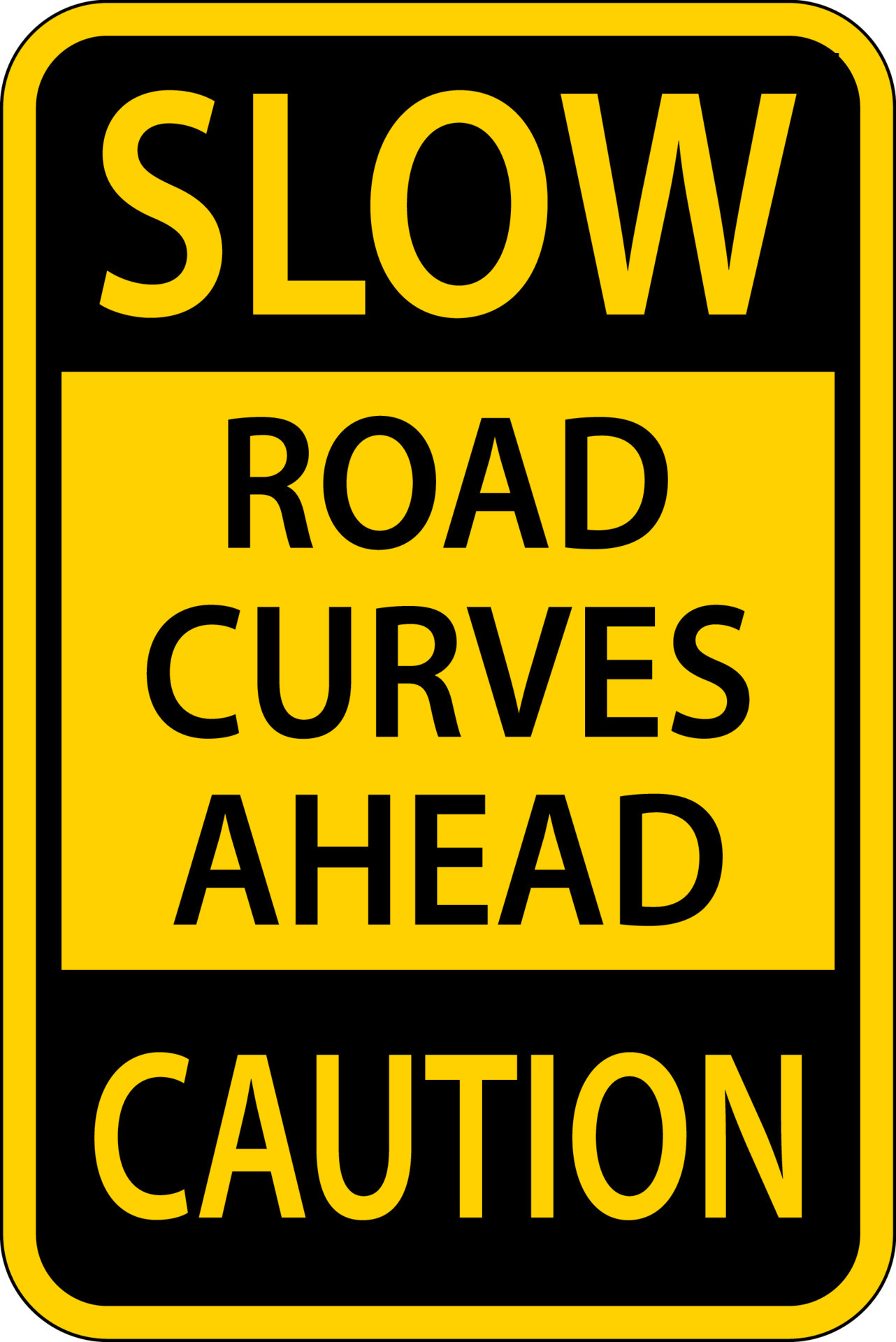
Why do you feel the need to constantly rush? Often, we operate on autopilot, moving from one task to the next without questioning if the speed is necessary. To adopt a slower pace, you must first recognize where you are pushing too hard. Just as a road sign warns drivers to adjust their speed for safety, you must learn to see the signals in your own life that indicate it is time to decelerate. Stress, irritability, and fatigue are clear indicators that your current velocity is unsustainable.
 Intentionally Curate Your Daily Inputs
How can you reclaim your attention when the world demands it? Slow living requires you to act as a gatekeeper for your energy. This means making practical decisions about what you allow into your schedule and your mind. It involves saying "no" to obligations that do not align with your values and limiting the digital noise that creates a false sense of urgency. By filtering out the excess, you create the mental bandwidth required to focus on what truly matters to you.
Observe the Unhurried Natural World
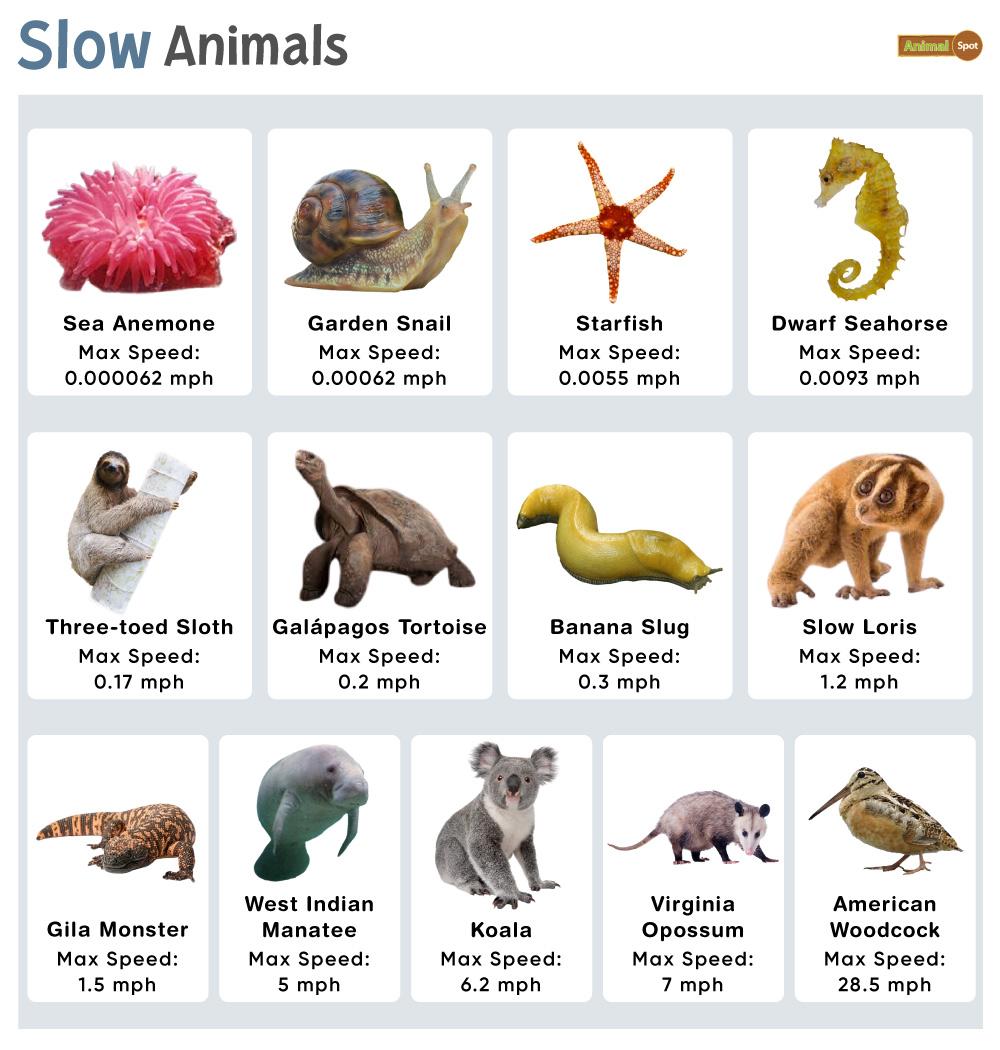
What lessons can nature teach you about timing? Looking to the natural environment provides a blueprint for a slower existence. Unlike the artificial urgency of modern deadlines, nature moves with a rhythm that is both deliberate and efficient. Animals and plants do not rush; they grow and act according to the season and the immediate need. Observing these slower life forms can remind you that there is inherent value in pausing, resting, and moving only when the moment is right.
 Start Small with Micro-Habits
Where do you begin without feeling overwhelmed? You do not need to quit your job or move to the countryside to embrace this philosophy. Start by integrating "micro-slows" into your existing routine. This could be drinking your morning coffee without looking at your phone, taking a walk without listening to a podcast, or simply taking five deep breaths before starting your car. These small, practical decisions act as anchors, pulling you back into the present moment and proving that you have control over your own tempo.
In a society obsessed with productivity and constant hustle, the concept of stepping back can feel counterintuitive. You might be wondering, what is slow living and why is it gaining traction? At its core, slow living is a lifestyle philosophy that emphasizes intentionality over efficiency. It isn't about doing everything at a snail’s pace; rather, it is about doing fewer things but with greater purpose, quality, and attention. It is the deliberate choice to curate your life so that you have the time and space to savor the present moment.
Check Your Internal Speedometer
Why do you feel the need to constantly rush? Often, we operate on autopilot, moving from one task to the next without questioning if the speed is necessary. To adopt a slower pace, you must first recognize where you are pushing too hard. Just as a road sign warns drivers to adjust their speed for safety, you must learn to see the signals in your own life that indicate it is time to decelerate. Stress, irritability, and fatigue are clear indicators that your current velocity is unsustainable.
Intentionally Curate Your Daily Inputs
How can you reclaim your attention when the world demands it? Slow living requires you to act as a gatekeeper for your energy. This means making practical decisions about what you allow into your schedule and your mind. It involves saying "no" to obligations that do not align with your values and limiting the digital noise that creates a false sense of urgency. By filtering out the excess, you create the mental bandwidth required to focus on what truly matters to you.
Observe the Unhurried Natural World
What lessons can nature teach you about timing? Looking to the natural environment provides a blueprint for a slower existence. Unlike the artificial urgency of modern deadlines, nature moves with a rhythm that is both deliberate and efficient. Animals and plants do not rush; they grow and act according to the season and the immediate need. Observing these slower life forms can remind you that there is inherent value in pausing, resting, and moving only when the moment is right.
Start Small with Micro-Habits
Where do you begin without feeling overwhelmed? You do not need to quit your job or move to the countryside to embrace this philosophy. Start by integrating "micro-slows" into your existing routine. This could be drinking your morning coffee without looking at your phone, taking a walk without listening to a podcast, or simply taking five deep breaths before starting your car. These small, practical decisions act as anchors, pulling you back into the present moment and proving that you have control over your own tempo.
Slows #3804036 | Clipart Library
slows #3804036 | Clipart Library
Venom Of A Slow Loris – 25 Awesome Slow Loris Fun Facts – JYZXLK

Venom Of A Slow Loris – 25 Awesome Slow Loris Fun Facts – JYZXLK
Slow Icon
Slow Icon