Feeling rushed by the speed of modern life is a common frustration for anyone new to the idea of living with intention. If you’ve searched for ways to adopt slow living principles for beginners, you’ve likely encountered a mix of inspiring quotes and confusing jargon. This guide breaks down the core ideas into clear, actionable steps, helping you move from overwhelm to calm without sacrificing practicality.
What is slow living and why does it feel overwhelming at first?
Slow living is not about moving at a snail’s pace; it’s about choosing moments to be present, to savor tasks, and to let decisions settle before rushing to the next one. For beginners, the idea can feel paradoxical because society rewards speed, making the notion of intentional slowness seem counter‑cultural. Recognizing this tension is the first step toward reclaiming control over your schedule and mental space.
Which principles should beginners focus on first?

The core of slow living rests on a few simple principles: presence, intentionality, and balance. Presence means fully engaging with the current activity, whether you’re drinking tea or folding laundry. Intentionality asks you to decide why you’re doing something, not just how fast you can finish it. Balance reminds you that slowness does not equal inactivity; it’s about aligning your energy with what truly matters. When you keep these three ideas in mind, the practice becomes a steady guide rather than a vague aspiration. These principles act like compass points; when you feel pulled in multiple directions, returning to one of them restores focus. Practicing them consistently turns abstract ideas into daily habits that feel natural rather than imposed.
How can a printable checklist support your slow living journey?
A printable checklist turned into a visual anchor can make the abstract feel concrete. The list below highlights beginner‑friendly actions — like setting a timer for breaks, turning off notifications, or choosing one meal a day to eat mindfully. By checking off each item, you create a gentle momentum that reinforces slower rhythms without feeling forced. The checklist also serves as a quick reference when old habits of hustle creep back in.
- Schedule a 5‑minute breathing pause before starting work.
- Pick one weekly activity to do slowly, such as washing dishes.
- Reflect on the day’s achievements in a journal before bed.
What everyday habits make the biggest difference?
The biggest shifts often come from tiny adjustments that don’t require major lifestyle overhauls. For example, walking to the mailbox instead of driving, cooking a simple recipe from scratch, or spending ten minutes observing nature before checking your phone. Each of these moments builds a habit loop that rewards patience. Over time, the cumulative effect is a calmer mind, clearer focus, and a deeper appreciation for the rhythm of everyday life. By intentionally slowing down a few moments each day, you create space for creativity, better relationships, and a more sustainable pace that feels rewarding rather than exhausting.
Feeling rushed by the speed of modern life is a common frustration for anyone new to the idea of living with intention. If you’ve searched for ways to adopt slow living principles for beginners, you’ve likely encountered a mix of inspiring quotes and confusing jargon. This guide breaks down the core ideas into clear, actionable steps, helping you move from overwhelm to calm without sacrificing practicality.
What is slow living and why does it feel overwhelming at first?
Slow living is not about moving at a snail’s pace; it’s about choosing moments to be present, to savor tasks, and to let decisions settle before rushing to the next one. For beginners, the idea can feel paradoxical because society rewards speed, making the notion of intentional slowness seem counter‑cultural. Recognizing this tension is the first step toward reclaiming control over your schedule and mental space.
Which principles should beginners focus on first?
The core of slow living rests on a few simple principles: presence, intentionality, and balance. Presence means fully engaging with the current activity, whether you’re drinking tea or folding laundry. Intentionality asks you to decide why you’re doing something, not just how fast you can finish it. Balance reminds you that slowness does not equal inactivity; it’s about aligning your energy with what truly matters. When you keep these three ideas in mind, the practice becomes a steady guide rather than a vague aspiration. These principles act like compass points; when you feel pulled in multiple directions, returning to one of them restores focus. Practicing them consistently turns abstract ideas into daily habits that feel natural rather than imposed.
How can a printable checklist support your slow living journey?
A printable checklist turned into a visual anchor can make the abstract feel concrete. The list below highlights beginner‑friendly actions — like setting a timer for breaks, turning off notifications, or choosing one meal a day to eat mindfully. By checking off each item, you create a gentle momentum that reinforces slower rhythms without feeling forced. The checklist also serves as a quick reference when old habits of hustle creep back in.
- Schedule a 5‑minute breathing pause before starting work.
- Pick one weekly activity to do slowly, such as washing dishes.
- Reflect on the day’s achievements in a journal before bed.
What everyday habits make the biggest difference?
The biggest shifts often come from tiny adjustments that don’t require major lifestyle overhauls. For example, walking to the mailbox instead of driving, cooking a simple recipe from scratch, or spending ten minutes observing nature before checking your phone. Each of these moments builds a habit loop that rewards patience. Over time, the cumulative effect is a calmer mind, clearer focus, and a deeper appreciation for the rhythm of everyday life. By intentionally slowing down a few moments each day, you create space for creativity, better relationships, and a more sustainable pace that feels rewarding rather than exhausting.
Slows #3804036 | Clipart Library
slows #3804036 | Clipart Library
Slow Road Curves Ahead Caution Sign 11449401 Vector Art At Vecteezy
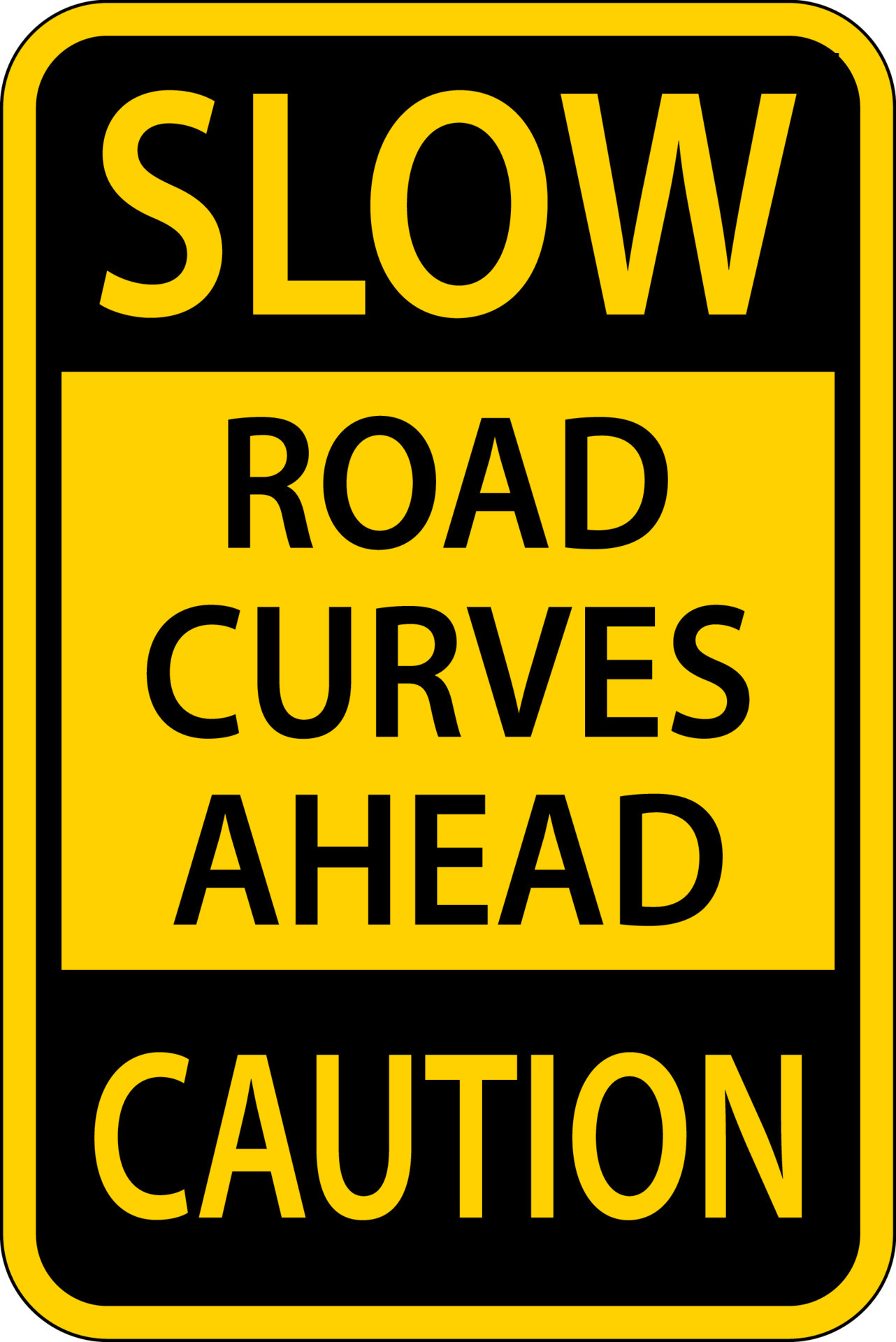
Slow Road Curves Ahead Caution Sign 11449401 Vector Art at Vecteezy
Venom Of A Slow Loris – 25 Awesome Slow Loris Fun Facts – JYZXLK

Venom Of A Slow Loris – 25 Awesome Slow Loris Fun Facts – JYZXLK